











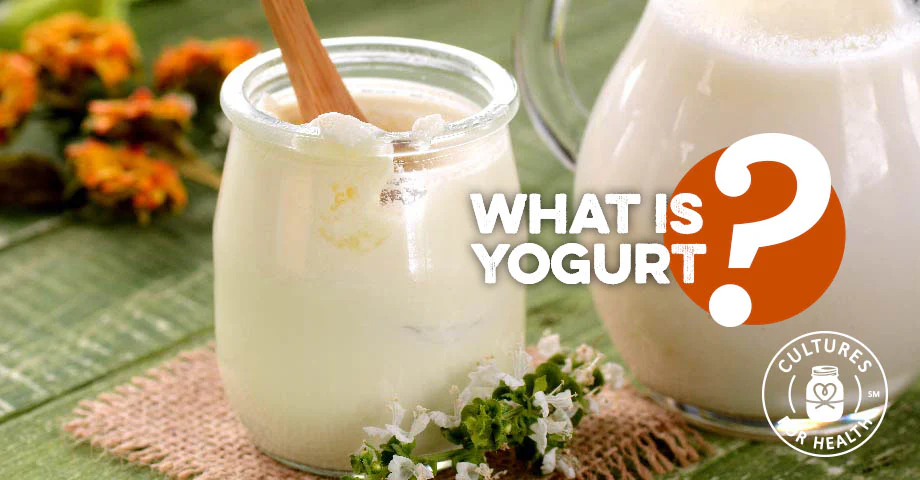
As one of the oldest and most popular fermented foods, yogurt is known around the world. However, where did yogurt come from, and how is it made today?
A BRIEF HISTORY OF YOGURT
The word yogurt comes from Turkey and refers to a tart, thick milk. However, the origin of yogurt is not singular. Yogurt can be found in nearly every culture that has kept animals for milk and it was likely discovered in similar ways in each region.
When fresh milk is left in a container with friendly bacteria, the milk thickens and develops a delicious, sour taste. The lactic acid produced by the fermentation process also acts as a preservative, helping the cultured milk stay fresh longer.
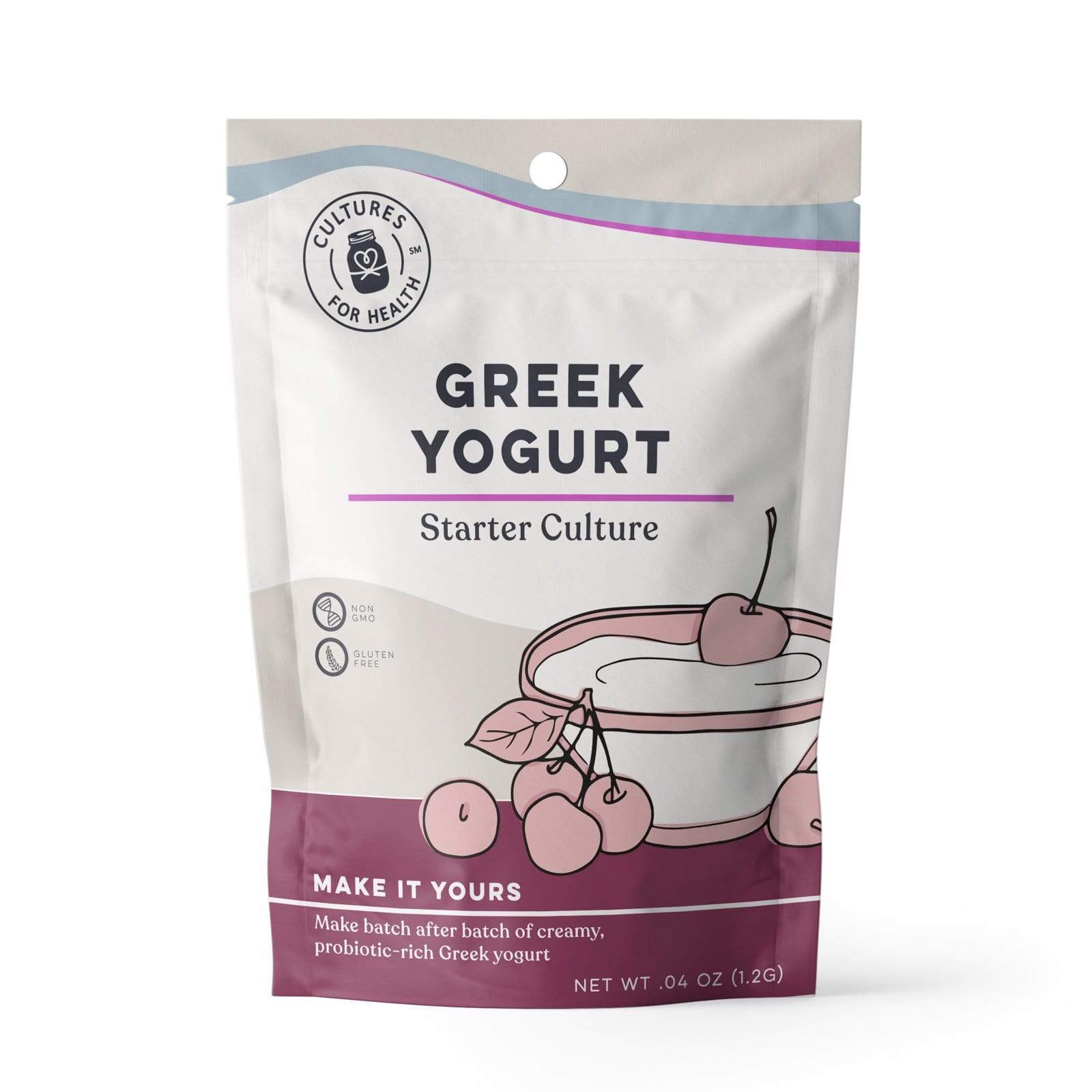
In the past, warmer regions favored thermophilic bacteria, while cooler areas favored mesophilic bacteria. Our Greek Yogurt Starter Culture is an example of a heat-loving (thermophilic) culture while our Heirloom Yogurt Starter Cultures are examples of cooler temperature (mesophilic) cultures.
WHERE DOES YOGURT COME FROM?
Around 1900, scientists started studying and isolating the bacteria that made yogurt. Soon after, they were able to combine selected strains that would culture reliably for commercial creameries.* These blends are called direct-set cultures.
With no starter to maintain, direct-set starters made it possible for a company to consistently make the same yogurt with each batch. Thanks to this research, it is now simple to buy powdered yogurt starter (such as our delicious Mild Flavor Yogurt Starter Culture) and make this same yogurt at home.
DEFINING YOGURT
In 1981, the FDA defined fresh, prepared yogurt in the United States and stated that it must include Lactobacillus bulgaricus and Streptococcus thermophilus.** These strains are found in all of our direct-set starters, as well as our Bulgarian Yogurt Starter Culture and Greek Yogurt Starter Culture.
Does that mean the mesophilic starters do not make true yogurt? According to US law, these prepared cultures cannot be sold and labeled as yogurt. Traditionally, they have been known as yogurts, and most still refer to them as such. It certainly does not lessen their wonderful flavor or beneficial bacteria!
Many things have changed since people first cultured milk into a thick, tangy snack. However, yogurt is still tremendously popular and enjoyed around the world. History is likely to show that fact unchanged as long as people have access to milk!
We want to help you learn everything you need to know about yogurt so that you can start making it at home today. That’s why we’ve created a Yogurt Guide and Recipe book filled with tips, tricks, and recipes for every occasion. Download our Yogurt Guide and Recipe book today to get started!

HOW TO MAKE YOGURT
Yogurt Ingredients
As mentioned above, yogurt is made by combining milk with bacteria (also known as a yogurt starter culture) and letting it culture.
LEARN MORE: Choosing a Yogurt Starter | Choosing Milk for Making Yogurt
While it's possible to use store-bought yogurt as the starter for making homemade yogurt, using a powdered starter culture gives you the benefit of knowing what ingredients are going into the final product.
Supplies for Making Yogurt
Other supplies for making yogurt will depend on the starter culture you choose. Our Yogurt Making Basic Supply List covers the different items you will need to get started.
Once you've decided on a starter culture and rounded up your yogurt supplies read our tutorial on How to Make Yogurt or watch any of our How-to Videos on Making Yogurt to learn how to create that deliciously, tangy goodness at home.
Sources:
*McGee, Harold. "Fresh Fermented Milks and Creams." On Food and Cooking: The Science and Lore of the Kitchen. Completely rev. and updated ed. New York: Scribner, 2004.
**http://www.accessdata.fda.gov/scripts/cdrh/cfdocs/cfcfr/CFRSearch.cfm?fr=131.200
Are you interested in learning the history of yogurt and making it at home? Download our Yogurt Guide and Recipe book now and start making your own yogurt today!