











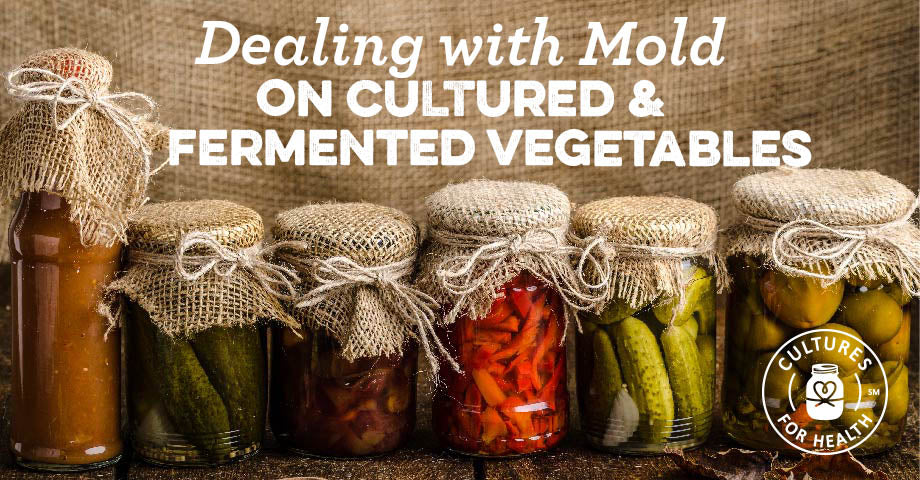
If you’ve been fermenting vegetables for a while, you’ve probably experienced it at some point.
After a few days of fermenting, you open the jar to find, much to your horror, a film has formed on top of the vegetable brine. You may be sorely disappointed, thinking of all the wasted time and money.
There's no need to get discouraged, however. Mold may not be the ruin of your batch of fermented vegetables...
Click to download our Fermentation Guide book todaywith tips and tricks for you to learn how to ferment vegetables so you can enjoy the many health benefits of it. Not only that, but we also want to help you prevent any potential problems with mold growth.
IS IT MOLD?
The film present on the surface of vegetable ferments is often not mold but yeast, specifically kahm yeast. If the film is white and fairly flat, it is most likely yeast which is a common occurrence. (Learn more about kahm yeast and what to do about it.)
If you found a different substance on top of the vegetables—green, black, red, or pink, in raised fuzzy spots—don’t panic. While those spots are mold, you may be able to dispose of this layer and have perfectly good fermented vegetables below the brine.
Exposure to oxygen can encourage and allow mold or yeast growth, but as long as the brine has enough salt and other conditions are favorable, everything below the brine should still be culturing in an oxygen-free environment.
WHAT TO DO IF MOLD IS PRESENT
Simply scrape off the top layer, give the container a few seconds to air out, then test aroma and flavor. If it smells ok, taste a little bit. If it tastes ok, it should be fine to consume. If the vegetables smell or taste unpleasant to you, discard everything, clean the container thoroughly, and try again with a new batch.
HOW TO PREVENT MOLD GROWTH IN THE FUTURE
Mold is a rare occurrence, but there are some factors you can control, to lessen the chance of mold formation.
Use Quality Vegetables
For the best-finished product, use only fresh produce in your ferments. Unsprayed, homegrown, or organic vegetables are best if you have access to them. Old or heavily sprayed vegetables may not ferment well.
Control Fermentation Temperature
Vegetables ferment well in cooler temperatures, which can make preserving at the peak of the growing season difficult. Find a cool place to ferment your vegetables. A temperature of 65° to 70°F is ideal. If your home is too warm, consult our article on keeping cultures cool in warm weather for tips on creating or finding a cool spot for culturing.
Use the Right Amount of Salt
A proper amount of salt in each batch of vegetables is important for keeping mold at bay. Learn more about how much salt is required for fermenting vegetables and adjust your recipe accordingly.
Are you interested in fermenting vegetables but don't know where to start? Download our Lacto-Fermentation Guide and Recipe book with tips and tricks today!

WHAT'S NEXT?
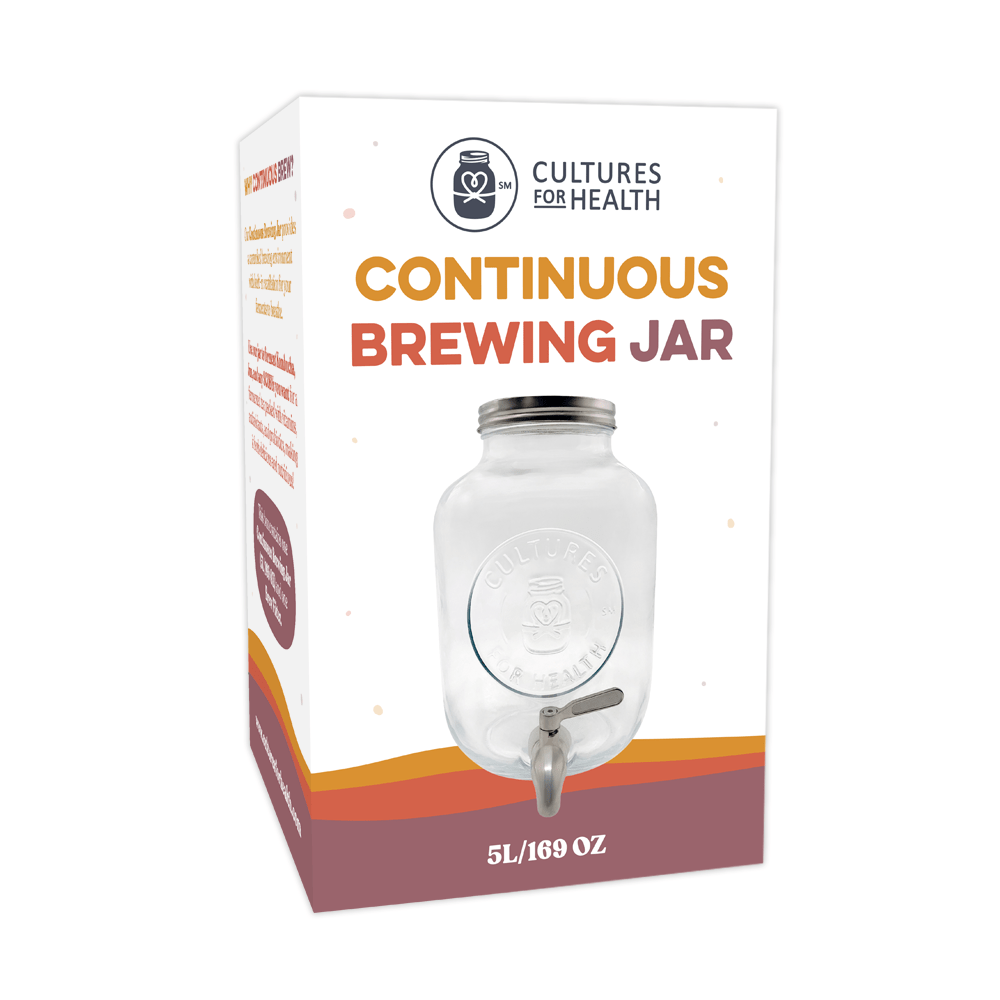
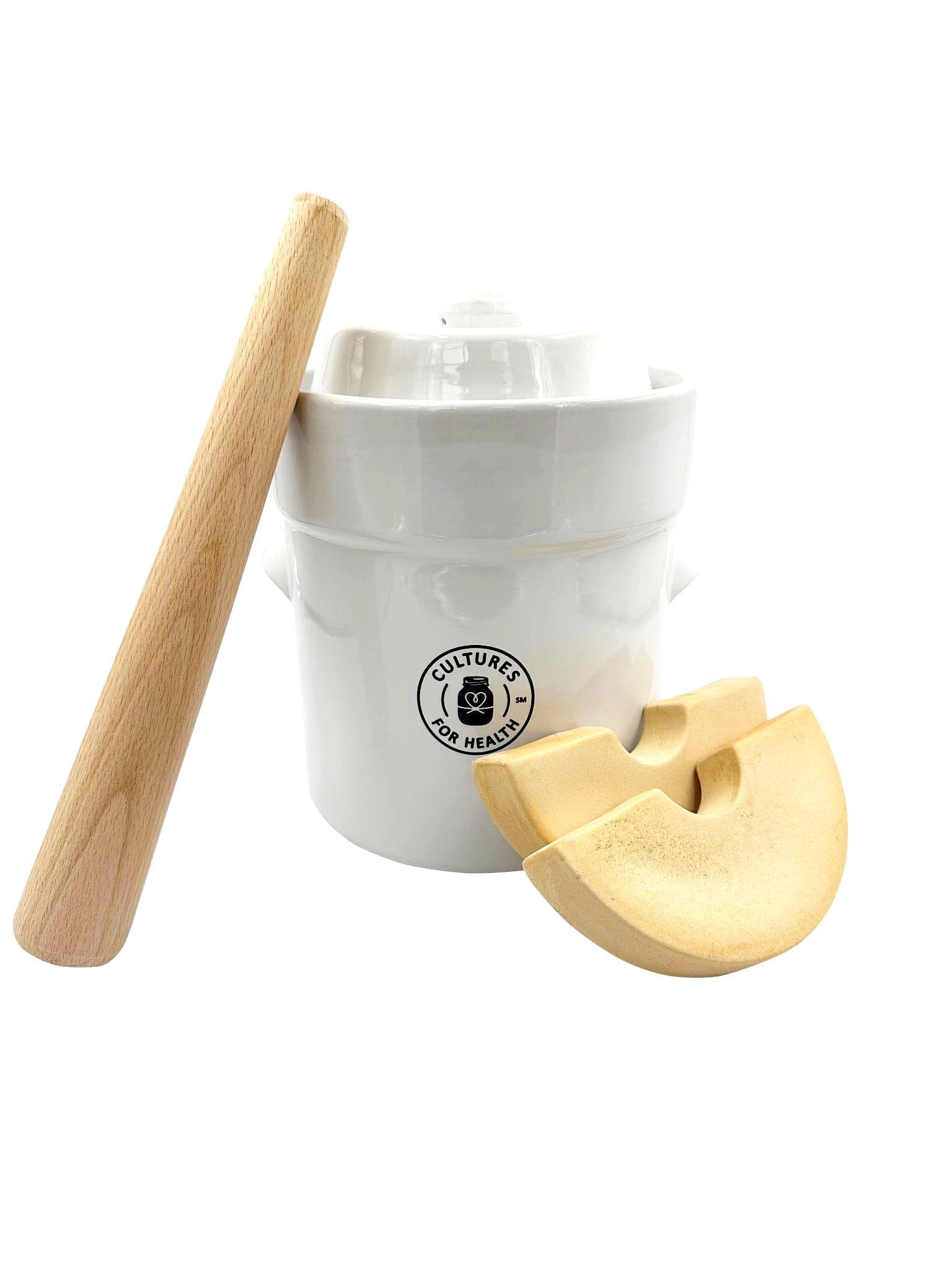
To lessen the chance of mold in future batches, try using a jar with an airlock lid or a crock with a water seal. Learn more about fermentation vessels in our article Fermentation Equipment: Choosing the Right Supplies.