










Learn how to make sour cream and you can have a regular supply of extra tasty, high quality homemade sour cream full of real probiotic goodness. Making sour cream at home is both easy and rewarding. It contains no additives, no fillers or thickeners, and there is no plastic tub to discard. All you need is a good sour cream culture.

1 hour

16 hours

10
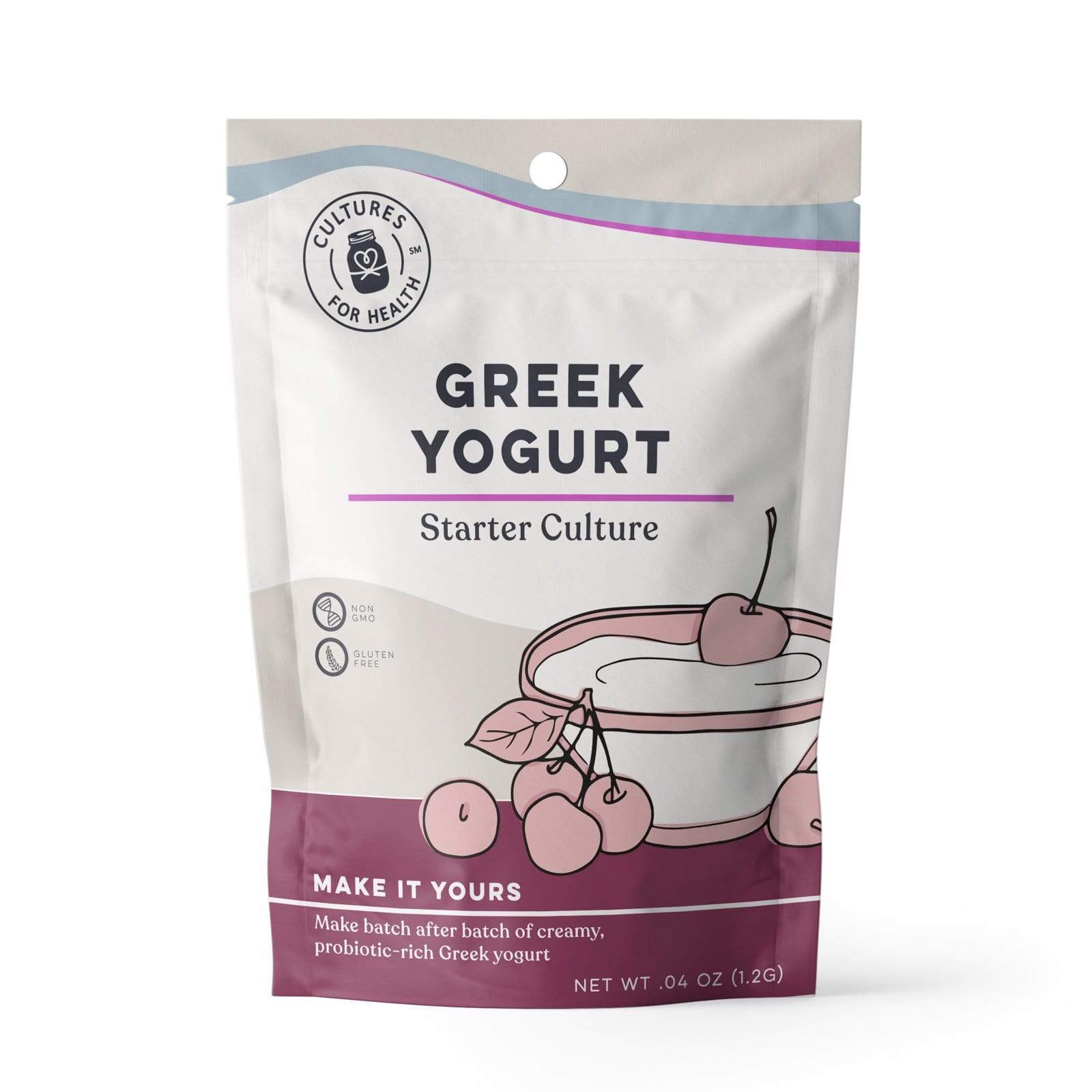
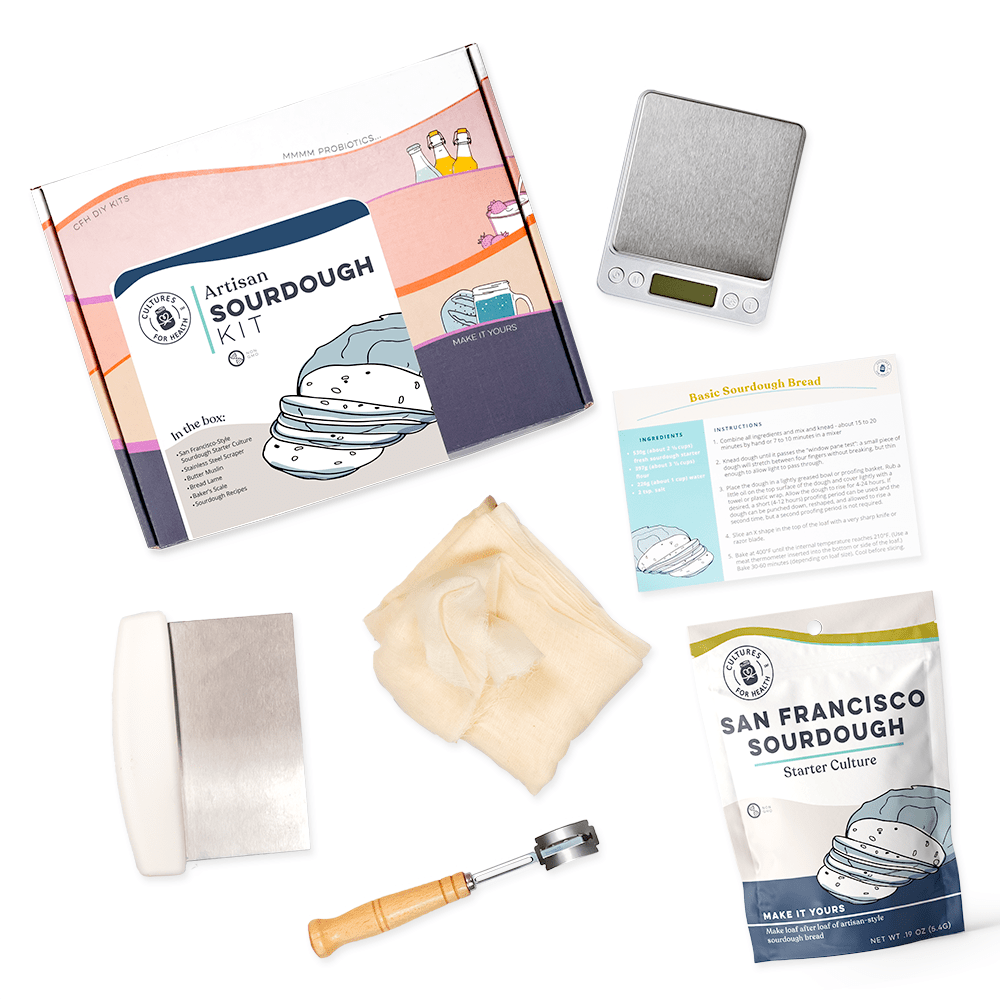
INGREDIENTS AND EQUIPMENT AVAILABLE AT CULTURES FOR HEALTH
But the best part of making homemade sour cream: your cultured sour cream contains probiotics, and it tastes absolutely delicious! Once you try your own, going back to store bought sour cream won't be the same.
CHOOSING A CREAM TO MAKE SOUR CREAM
Different creams will produce sour cream with different thicknesses. Keep these tips in mind when selecting your cream.
- Pasteurized heavy cream or whipping cream will yield the thickest sour cream.
- Half-and-half can be used, but the sour cream will have a thinner consistency. Dry milk powder can be added to improve the consistency, if desired.
- Raw cream can be used but will yield a thinner consistency than if pasteurized whipping cream is used. Learn more about using raw cream to make sour cream here!
-
Avoid ultra-pasteurized (UP) or ultra-high temperature (UHT) cream, as it yields inconsistent results when used for culturing sour cream.
HOW DO YOU MAKE SOUR CREAM?

Homemade sour cream is a cultured dairy product made with a sour cream culture. This culture starts to consume the lactose in the cream and producing lactic acid. This lactic acid changes the consistency of the cream and also adds that signature tang. The cultured sour cream is also easier on the digestion since some of that lactose has already been converted by the culture.
Click to download our Yogurt Guide book today and start making sour cream in no time - and it'll taste better than anything you can buy in the store.
BENEFITS OF A SOUR CREAM STARTER CULTURE
If you browse the internet, you will find several ways to make homemade sour cream. Some sour cream recipes suggest combining dairy and vinegar to create that thick sour cream texture.
But this won't accomplish the same probiotic-goodness that using a starter culture does. Instead of the age-old living process, they use acid to curdle the milk and artificially add that acidic bite. Besides, we think the taste and texture of cultured sour cream just doesn't compare to anything you'll make with vinegar and lemon juice or sour cream you buy in the store.
If you've never tried homemade cultured sour cream, you owe to to your cooking to see if it's as big a game changer as we think it is!
YOUR SOUR CREAM INGREDIENTS
- 1 packet Sour Cream Starter Culture
- 1-4 quarts Heavy Cream
THE ULTIMATE GUIDE TO MAKING SOUR CREAM AT HOME
- Slowly heat 1-4 quarts of pasteurized cream to145°F and hold for45 minutes. It’s OK just to heat the cream to 77°F, but your sour cream will be thinner.
- Cool the cream to77°F. If you need to speed up the cooling process, you can place the pan of heated cream in a sink or basin of cool water.
- Add 1 packet of starter culture.
- Stir gently until the powder is fully dissolved.
- Transfer the cream to a glass container.
- Cover the container with a towel or coffee filter secured with a rubber band.
- Place the jar in a warm spot, 74-77°F, to culture for16-18 hours.
- Once the sour cream has set,cover it with a tight lid andstore it in the refrigerator. Sour cream will keep in the refrigerator for2-3 weeks.
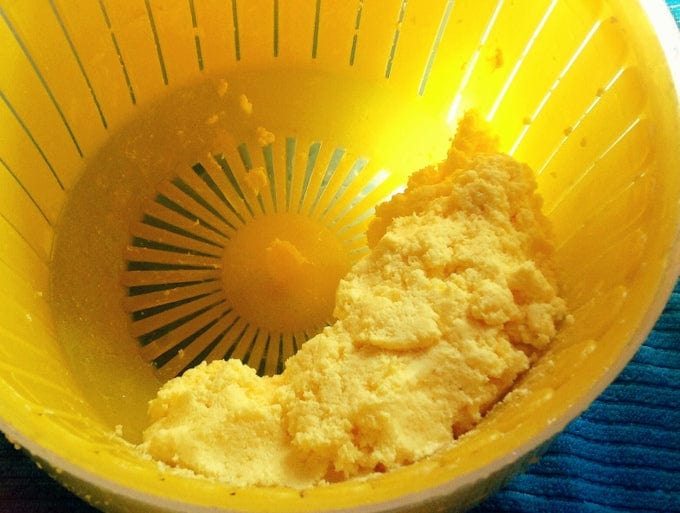
You can tell that your sour cream has set when it becomesmore or less uniform in appearance. It should appear asone solid mass and berelatively smooth.

HOW TO MAKE SOUR CREAM EVEN THICKER
Because store-bought sour cream generally contains thickeners and other added ingredients, it is generally thicker than homemade sour cream.
If you want that thicker consistency that you might be used to, there are a few ways to make your homemade sour cream thicker too.
1. Add Dry Milk Powder To Your Cultured Sour Cream
There are several varieties of dry milk to choose from. When using dry milk powder to thicken sour cream you'll need to combine a small amount of it with the cream prior to heating the cream. Make sure the milk powder is mixed in well. You can slowly add more cream to the milk powder until it's well combined, then proceed with heating the cream.
2. Heat the Cream to a Higher Temperature
In step 1, heat the cream to 180°F and hold at that temperature for 30 minutes. Make sure the cream cools completely prior to adding the starter culture.
SOUR CREAM VS. CRÈME FRAÎCHE
If you're looking to make sour cream you may have also heard of crème fraîche. Both are cultured dairy products, made in very similar ways.
The difference?
Sour cream is a cultured cream product that contains about 20% butterfat and has a sour flavor. Crème fraîche is a cultured cream product with more butterfat and a milder flavor.
Do you like to cook and want to easily make delicious sour cream? Download our free Yogurt Guide and Recipe book today to get started!

HOW TO EXPERIMENT CREATING CULTURED SOUR CREAM USING ALTERNATIVE STARTER CULTURES
While sour cream is traditionally made with a Sour Cream Starter Culture, there are other ways to culture cream that can create a similar product. When using a different culture, there will be variations in flavor, so once you've tried the traditional sour cream culture, try a few others and pick the one you like best.
1. Use Cultured Buttermilk or Countertop Yogurt
Cultured buttermilk or mesophilic (countertop) yogurt is convenient to use as starter for culturing cream, as well.
Use 1 tablespoon yogurt or buttermilk per cup of cream. Culture as you would buttermilk or yogurt, according to the instructions included with your particular starter culture.
2. Use Milk Kefir Grains or Finished Kefir
Milk kefir grains or finished milk kefir can be used to make Kefir Cream, a substitute for sour cream.
Use 1 tablespoon finished milk kefir per cup of cream or 1 teaspoon grains for up to 4 cups of cream.
Making sour cream at home isn't just a culinary skill, it's a way of improving your diet and introducing a rich, tangy flavor to your meals. Once you have mastered the basic recipe, experiment with different cream types and starter cultures to create a sour cream that is uniquely yours.
Whether you're cooking with it, adding it as a garnish to your favorite dishes, or including it in your baking, the fresh and full-bodied taste of homemade sour cream will elevate your dishes. And remember, by choosing to make sour cream at home, you’re not only controlling the ingredients but also enriching your food with beneficial probiotics.
Did you know that in addition to the health benefits, sour cream also plays a crucial role in culinary arts? It serves as a key ingredient in various recipes - from dips and dressings to cakes and cookies. It adds richness, creaminess, and balances flavors in your food, making it an indispensable ingredient in your kitchen.
Ready to Learn More About Making Sour Cream?