













So, you want to learnhow to make cream cheeseat home. You're in luck - when it comes to home cheesemaking, cream cheese is one of the easiest places to start!
Cream cheese is always tasty, but once you've tried tangy, rich, fresh cream cheese, you're going to have a hard time going back to store-bought.

20 minutes

24 hours

10 servings
INGREDIENTS AND EQUIPMENT AVAILABLE AT CULTURES FOR HEALTH
Digital Thermometer

Digital Thermometer
$19.99
Temperature is extremely important when it comes to baking. Eliminate any guesswork with this instant-read digital thermometer so you can keep track of your dough temperature, ambient temperature!
*Requires 2 AAA batteries, not included
Butter Muslin
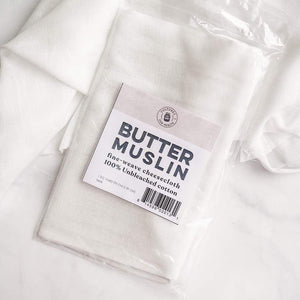
Butter Muslin
$7.99
Butter Muslin is a tightly woven cloth, similar to cheesecloth, used for draining, pressing, and straining soft cheeses, yogurt or milk kefir. Butter muslin cloth also works as a breathable jar cover for all sorts of fermenting applications.
Greek Yogurt Maker (Strainer)
Cheese Salt

HOMEMADE CREAM CHEESE
We'll show 2 cream cheese recipes to make at home where all you need to do is 1) culture the milk and then 2) strain the cheese curd. This means with just milk and a coagulant, you're ready to go!
Jump to a Cream Cheese Recipe Section:
WHY MAKE HOMEMADE CREAM CHEESE RECIPE?
Whether it's curiosity that brings you here or a desire to hone some culinary skills, there's no denying that making it homemade makes all the difference. It's an easy, fun way to take your other recipes up a notch.
Is your cheesecake the desert everyone looks forward to? Imagine it with homemade cream cheese. Trying to wow everyone at the office with your cheeseball? Kick it into high gear with our homemade cream cheese recipe.
Cream cheese is fantastic spread on crackers and bread, or as a base for dips, cheesecake, or frosting. If you're just getting started making cheese at home, cream cheese is a great option for beginners. Making homemade cream cheese also gives you control over the ingredients in the foods your family eats.
Download our easy-to-follow Cheesemaking Recipe book, which will show you how to make your homemade cream cheese in just a few simple steps.
Option 1: Using a Cream Cheese Starter Culture
- Heat the milk, slowly, to 86°F.
- Remove the milk from the heat and thoroughly stir in the packet of cream cheese culture mixture. [Do not stir longer than 15 seconds.]
- Cover the pot and leave the mixture to culture for 12 hours at approximately 72° - 77°F.
- After 12 hours, the cheese should look like yogurt (solid if tipped but still relatively soft). You may see some whey separating from the cheese. The whey is a mostly clear liquid.
Option 2: Using a Mesophilic Aromatic Culture + Rennet
- Heat the milk, slowly, to 75°F.
- Remove the milk from the heat and allow the mesophilic culture to dissolve on the surface of the milk for approximately 2 to 3 minutes. Once the culture is dissolved, thoroughly incorporate the starter culture into the milk.
- Mix the 2 drops of rennet with 2 tablespoons of water or dissolve the rennet tablet in 1/4 cup of water. Add the rennet mixture to the milk. Using up-and-down strokes rather than a stirring motion, incorporate the rennet into the milk. Do not over-mix.
- Cover the pot and allow the mixture to culture for 14 to 16 hours at 70° to 75°F.
- After 14 to 16 hours, the cheese should look like yogurt (solid if tipped but still relatively soft). You may see some whey separating from the cheese. The whey is a mostly clear liquid.

How to Make Cream Cheese Step Two: Strain the Cheese
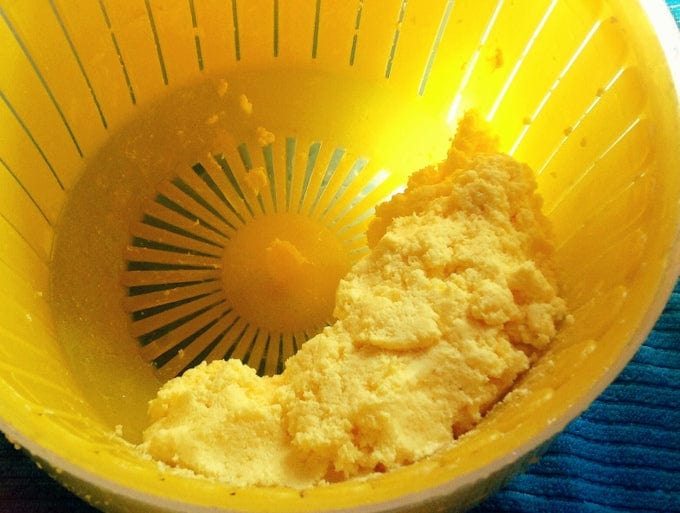
- Place a piece of butter muslin (doubled) or a tea towel in a colander in a bowl. Gently spoon the cultured milk into the butter muslin. Gather up the corners of the muslin and tie knots to secure.

- Hang the butter muslin filled with the cultured milk over a bowl so the whey can drain. An easy way to do this is to tie the butter muslin around a cupboard handle so the bowl to catch the whey can rest on the counter underneath.

- Allow the cream cheese to drain for 6 to 12 hours to reach the desired consistency.

- Knead salt into the cheese to flavor.
-
Store in the refrigerator. Use within a week.
TIPS & TRICKS ON HOW TO MAKE CREAM CHEESE AT HOME
- Traditional cream cheese is made from 50% cream and 50% whole milk. Use all cream for the richest tasting cream cheese. If you're looking to make a lower fat cream cheese, we suggest using all whole milk.
- Be careful heating your cream or milk. Heating milk too quickly may cause it not to set or taste unpleasant later.
- If you wish to make larger batches of cream cheese, use one gallon of milk (or a combination of milk and cream). Using a Cream Cheese Starter Culture, just follow the recipe above. Using option 2, use 4 drops of liquid rennet with the 1/4 teaspoon of culture.
Want to start making your delicious cream cheese? Download our Cheesemaking Guide and Recipe book to make your cream cheese today!

We Make It Easy
At Cultures for Health, we believe that anyone--on any diet and at any skill level--can make and enjoy the benefits of traditional fermented foods. All it takes is the right supplies and a little know-how. Through our product offering, recipes, tutorials, and how-to videos, we'll give you the tools you need to nourish your family and live healthily.
You Can Do This.
Find everything you need to get started with our DIY Cheese Making Kit.