













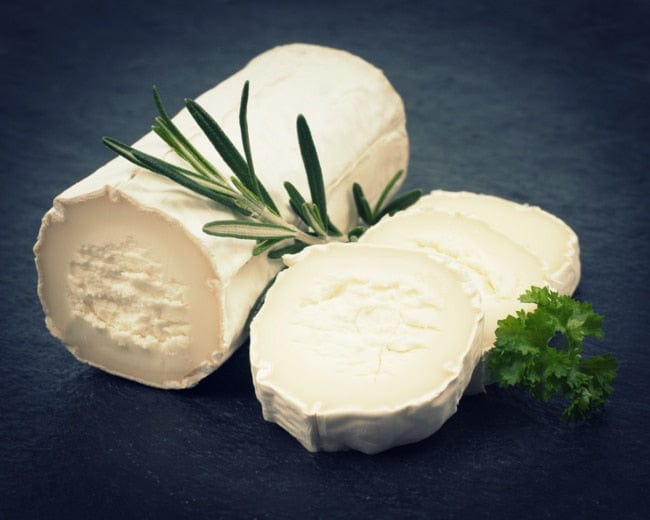

Chèvre is a soft cheese made from goat milk and is perhaps one of the easiest cheeses to make at home.

30 minutes

180 minutes

INGREDIENTS AND EQUIPMENT AVAILABLE AT CULTURES FOR HEALTH
Mesophilic Direct-Set Starter Culture
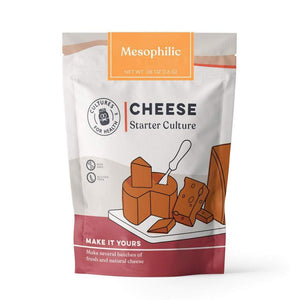
Mesophilic Direct-Set Starter Culture
$19.99
From cheddar, Colby, and Monterey Jack to Feta, Chevre, and more, you'll enjoy the flavor and variety of homemade cheeses made using this starter culture.
Flora Danica Mesophilic Starter Culture
Mesophilic Aromatic Type B Starter Culture
Pocket Test Thermometer
Pocket Test Thermometer
$7.99
Perfect for making cheese, yogurt or checking the temperature of your sourdough bread and more. This thermometer is a cultured kitchen workhorse.
Butter Muslin
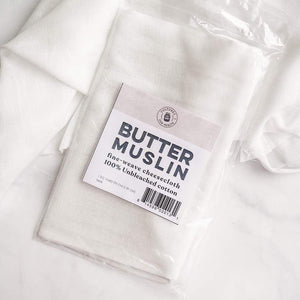
Butter Muslin
$7.99
Butter Muslin is a tightly woven cloth, similar to cheesecloth, used for draining, pressing, and straining soft cheeses, yogurt or milk kefir. Butter muslin cloth also works as a breathable jar cover for all sorts of fermenting applications.
EQUIPMENT:
- Butter muslin (very fine-weave cheesecloth) or a tight-weave dish towel
- Large stainless steel pot with lid
- Wooden or plastic spoon
- Basic thermometer
- Chèvre shaping mold (optional)
INGREDIENTS:
- 1 gallon raw or pasteurized goat milk (do not use UHT/UP milk)
- 1 packet chèvre starter culture (See Alternate Starter Cultures list below for additional starter culture options)
INSTRUCTIONS:
- Heat the milk to 86°F.

-
Remove milk from heat and thoroughly stir in the packet of chèvre culture.
- Cover the pot and leave the mixture to culture for 12 hours at approximately 72°F.
-
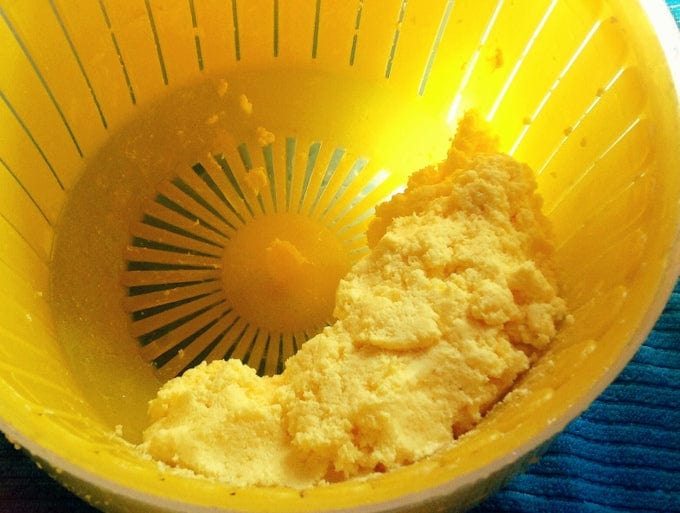
After 12 hours, the cheese should look like yogurt, solid if tipped but still relatively soft. You may see some whey separating from the cheese. The whey is a mostly clear yellowish liquid.

-
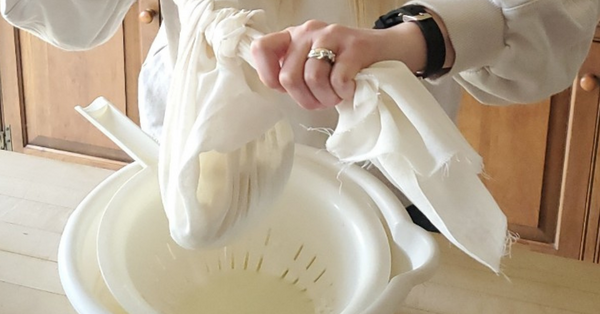
Place a piece of butter muslin (doubled) in a colander in a bowl. Gently spoon the chèvre into the butter muslin. Gather up the corners of the muslin and tie knots to secure.
- Hang the butter muslin filled with the chèvre over a bowl so the whey can drain. An easy way to do this is to tie the butter muslin around a cupboard handle so the bowl to catch the whey can rest on the counter underneath.
-
Allow the chèvre to drain for 6 to 12 hours to reach the desired consistency (see below).
- Flavor chevre with fresh or dried herbs, if desired. Alternatively, press chèvre into shaping mold, then roll it in herbs.
- Store in refrigerator for up to 1 week.
DRAINING OPTIONS
- You can choose not to drain the chèvre at all, which will leave you with a delicious and thick yogurt. A small amount of draining will yield an even thicker yogurt-type of food.
-
Drain the chèvre for approximately 6 hours, for a soft, spreadable cheese.
-
Drain the chèvre for approximately 12 hours, for a cream cheese consistency.
Freezing Chèvre
Chèvre can be frozen, but be sure to
- Salt the chèvre well prior to freezing.
- Remove as much of the whey as possible (use a cheese press, if available); the drier the chèvre, the better it will freeze.

ALTERNATE STARTER CULTURES
Chèvre Cheese can be made using other mesophilic starter cultures. This alternate method also requires rennet. Choose one of the following starter cultures:
- 1/8 teaspoon mesophilic aromatic type B starter culture or
- 1/8 teaspoon flora danica starter culture
- 1/8 teaspoon mesophilic culture MA4001
- 1 packet mesophilic direct-set culture
- 1/8 teaspoon bulk mesophilic culture
- 2 drops liquid animal rennet
- 1 drop double-strength liquid vegetable rennet
Follow these alternate instructions:
-
Dissolve rennet of choice in ¼ cup cool water.
- Heat the milk to 75°F.
-
Remove milk from heat and sprinkle mesophilic culture of choice on surface of milk. Leave to dissolve for approximately 2 to 3 minutes. Thoroughly incorporate culture into the milk using up-and-down strokes with a cheese spoon.
-
Add rennet mixture. Using up-and-down strokes (don’t stir!), incorporate rennet into milk. Do not over-mix.
-
Cover pot and culture for 14-16 hours at approximately 72°F.
-
After 14-16 hours, the cheese should look like yogurt, solid if tipped but still relatively soft. You may see some whey separating from the cheese. The whey is a mostly clear, yellowish liquid.
-
Continue with Step 5, above.