









Kombucha flavors are one of the most significant benefits of making your own kombucha second fermentation at home. You can influence the flavor of your finished kombucha 2nd ferment, plus find new flavor blends that you and your family will enjoy.
You can influence the flavor of kombucha tea by choosing a different tea, adjusting the fermentation time, or adding flavoring.
In our tutorial below, we'll explain more about each of these methods and provide some of our favorite flavoring ideas for inspiration!
Download our Kombucha Recipe Book today, which contains tips and tricks for making deliciously flavored kombucha at home using simple and easy-to-follow recipes.
WAYS TO INFLUENCE KOMBUCHA FLAVORS FLAVORING
1. Choose A Different Kombucha Flavoring Tea
The type of tea you use to brew kombucha can change the flavor of the finished kombucha, even before flavoring agents are added. From black to white teas, each variety lends a different flavor to the finished beverage.
LEARN MORE: Compare the flavor of different varieties of tea for making kombucha.
2. Adjust 2nd Ferment Time
The longer a batch of kombucha ferments, the less sweet and more acidic the resulting liquid will be. We recommend fermenting the kombucha for at least 7 days and up to 30 days.
Tip: After 7 days, begin tasting the brewing kombucha. Use a straw or non-metal spoon to remove some liquid from the jar. Once the flavor reaches the desired sweetness or acidity, halt the process by pouring the finished kombucha into bottles or containers for flavoring or drinking plain.
3. Add Kombucha Flavoring
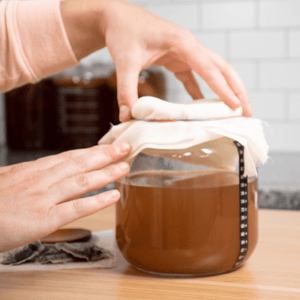
Once the initial fermentation period is complete, and the Kombucha SCOBY has been removed, you can consume your kombucha as is or choose to add additional flavoring.
If you decide to flavor your kombucha, you can either enjoy it immediately or ferment further for a more developed taste in the final product.
From fruit and juices to herbs and spices, you can create a wide variety of flavored drinks. Our kombucha scoby flavoring collection has 20 different flavors that you can choose from to create your own personalized fizzy sensations!
Ratios for Kombucha Flavoring
- If flavoring with fresh, frozen, or dried fruit, start with 10-30% fruit and 70-90% Kombucha.
- If flavoring with juice, start with 10-20% juice and 80-90% Kombucha.
- Suppose flavoring with herbs, the variety and strength of herbs vary greatly. Experiment to come up with the best ratios and combinations for your taste preferences.
- For flavor extracts such as almond or vanilla extract, start with 1/4 teaspoon extract per cup of kombucha and adjust to taste. Remember, the flavor will continue to develop during the second fermentation period.
OUR FAVORITE KOMBUCHA FLAVORING


Other Kombucha Flavoring and Combinations
- Blueberries and cinnamon
- Berries and fresh or candied ginger
- Strawberries and basil
- Cherries and almond extract
- Pears and almond extract
- Apple juice and cinnamon
- Lemon or lime juice and fresh ginger
- Pineapple juice, coconut water, and coconut extract
- Vanilla beans (split open) or vanilla extract
- Pumpkin pie spice
- Fresh or candied ginger
- Coconut extract
- Lavender and chamomile
- Chai Spice Blend
- Lemon balm and rose hips
- Combine 50% lemonade water kefir and 50% kombucha for a Probiotic Palmer.
MAKE KOMBUCHA FIZZY THROUGH A KOMBUCHA SECOND FERMENTATION AND BOTTLING
Why Does It Need For Kombucha Second Fermentation?
There are quite a few advantages to bottling the finished kombucha and fermenting it further.
A second fermentation period allows the flavors to meld and achieve a deeper and more complex flavor profile. Additionally, if bottled in an airtight container, the carbon dioxide produced during fermentation will remain, giving the kombucha the fizzy texture it is often known for.
Choosing Bottles for Storing Kombucha 2nd Ferment
While essentially any glass container with a lid can store kombucha, it is important to bottle kombucha as truly airtight bottles.
While canning jars are wonderful for storing finished kombucha, since they are not truly airtight, carbon dioxide can leak from them and reduce the fizziness of your kombucha.
A better option is a Grolsch-style flip-top bottle, which will adequately contain the fermentation gases and keep the kombucha better carbonated. These are available in 12-bottle cases or smaller quantities as part of DIY Kombucha Kits.
Before using, check the bottles carefully for cracks or imperfections, which can weaken the bottle's integrity and lead to explosions. You'll also want to make sure you've attached the lids on the bottles correctly. Last, we recommend "burping" the bottles every day or so during the second fermentation to release excess pressure.
HOW-TO VIDEO: How to Assemble Grolsch Flip-Top Bottles
How Often Should Kombucha Second Fermentation Occur?
There's no hard and fast rule for the length of a second fermentation. In general, we advise letting your bottled kombucha ferment for 2 to 14 days.
The length of time you allow your kombucha to ferment for a second time depends on your personal taste preferences, the temperature of your fermentation area, and the types of flavors you've added.
- Having a basic understanding of how fermentation works can shed light on why higher temperatures accelerate the process. Therefore, if your fermentation area is warmer, it may be necessary to shorten the second fermentation period to achieve the desired results.
- Similarly, if you pair your finished kombucha with juices that have high sugar content, this provides the bacteria in your kombucha more to feed on and will speed up fermentation as well.
Burping Bottles and Taste Testing For Kombucha Flavoring
The best way to check if your kombucha is done with its second ferment is to taste it to test its flavor and fizziness. Tasting your kombucha every day or so is also a good way to remember to release some of the pressure built up in the bottles - this is especially important if you don't want to end up with a messy explosion!
INSTRUCTIONS FOR BOTTLING KOMBUCHA FOR A SECOND FERMENTATION
Kombucha Second Fermentation Bottling Step-by-Step
- Remove the SCOBY from the finished kombucha.
- Add the desired flavoring and mix to combine.
- Bottle the flavored kombucha in airtight bottles leaving a few inches of headspace.
- Leave the bottled kombucha to ferment for 2-14 days at room temperature.
- Once the second fermentation process is complete, strain out any solids, if desired, rebottle and store on the counter or in the refrigerator.
Storing Bottled 2nd Fermentation Kombucha
We recommend storing bottled kombucha at room temperature for no longer than 14 days, as carbonation can build up. The more sugar in the flavoring, the faster the carbonation will build. It's a good idea to burp the bottles occasionally during the second fermentation to release excess pressure.
Use Caution When Opening Bottles For Kombucha Second Fermentation
The creation of carbon dioxide during the secondary fermentation period means the bottle contents will be under pressure, and caution should be used when opening the bottle.
We recommend covering the bottle with a cloth to catch any spraying liquid and opening the bottle slowly over the sink while applying downward pressure.
TIME TO START BREWING KOMBUCHA SECOND FERMENTATION AT HOME!
If you've made it this far and haven't gone to check out some of our amazing Kombucha starters - what are you waiting for?
Cultures For Health makes brewing your personal kombucha easy with our huge selection of kombucha scoby starters and kits and try our pineapple kombucha recipe!
We even have special kits for each of the kombucha flavors you might want to brew at home, like:
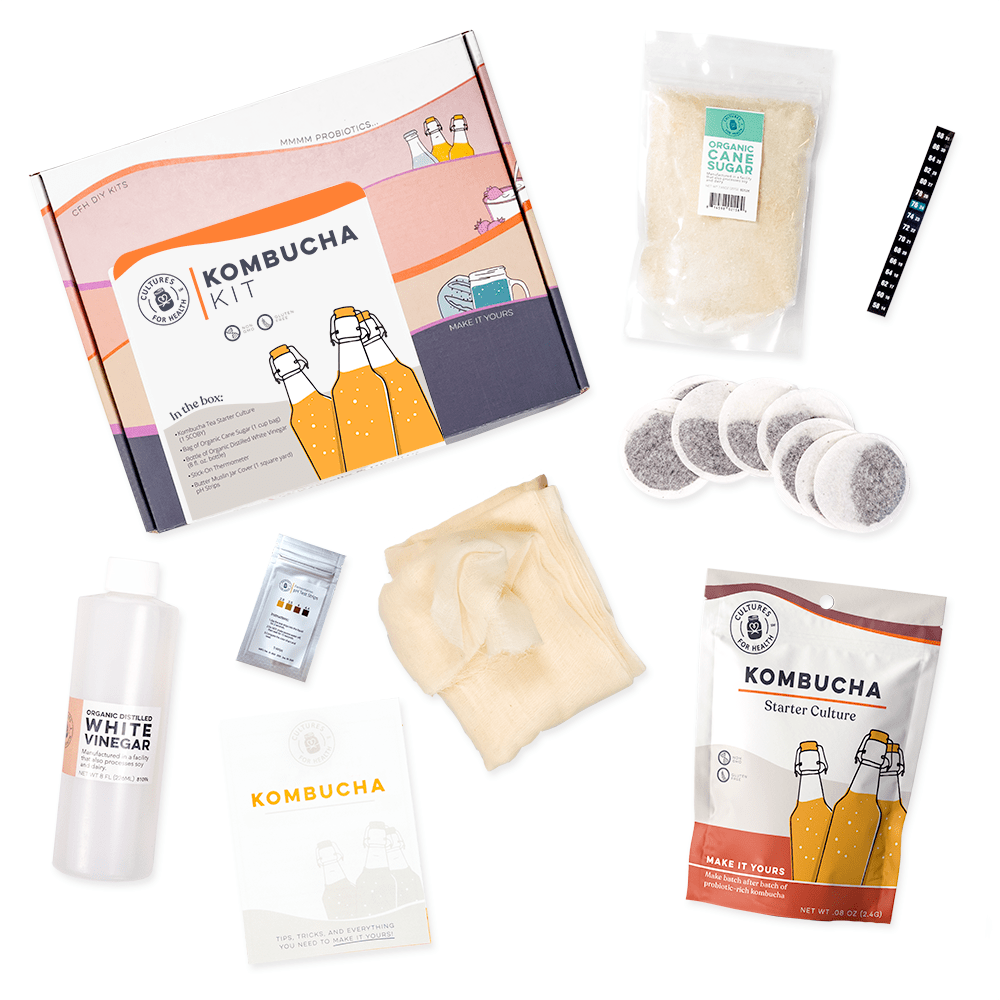
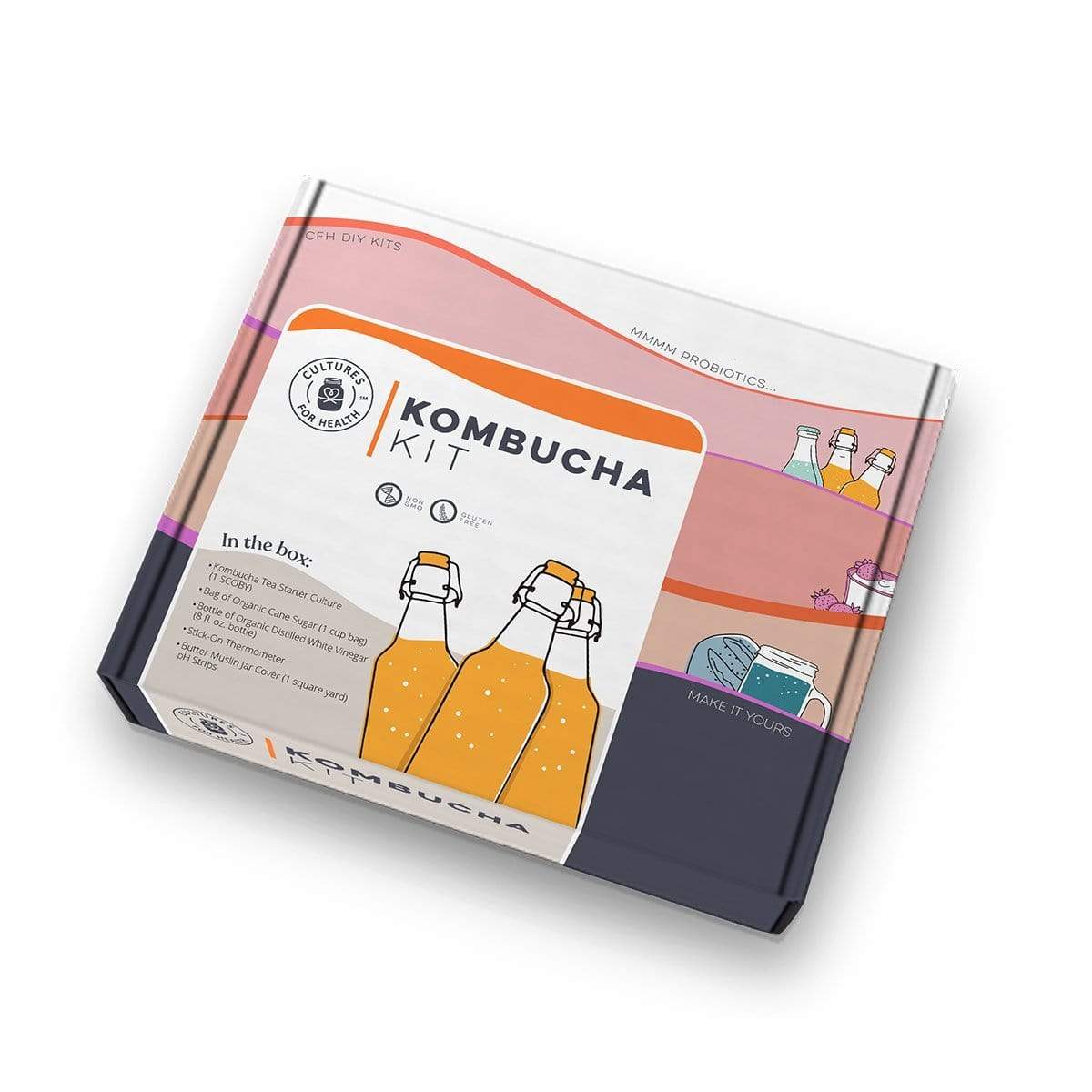
Our kombucha tea kits come with everything you need to start brewing like a pro, including all of the tools you will need. It's the easiest way to start brewing at home.
Click here to check out our Kombucha Starter Kit and start your fermentation journey now!


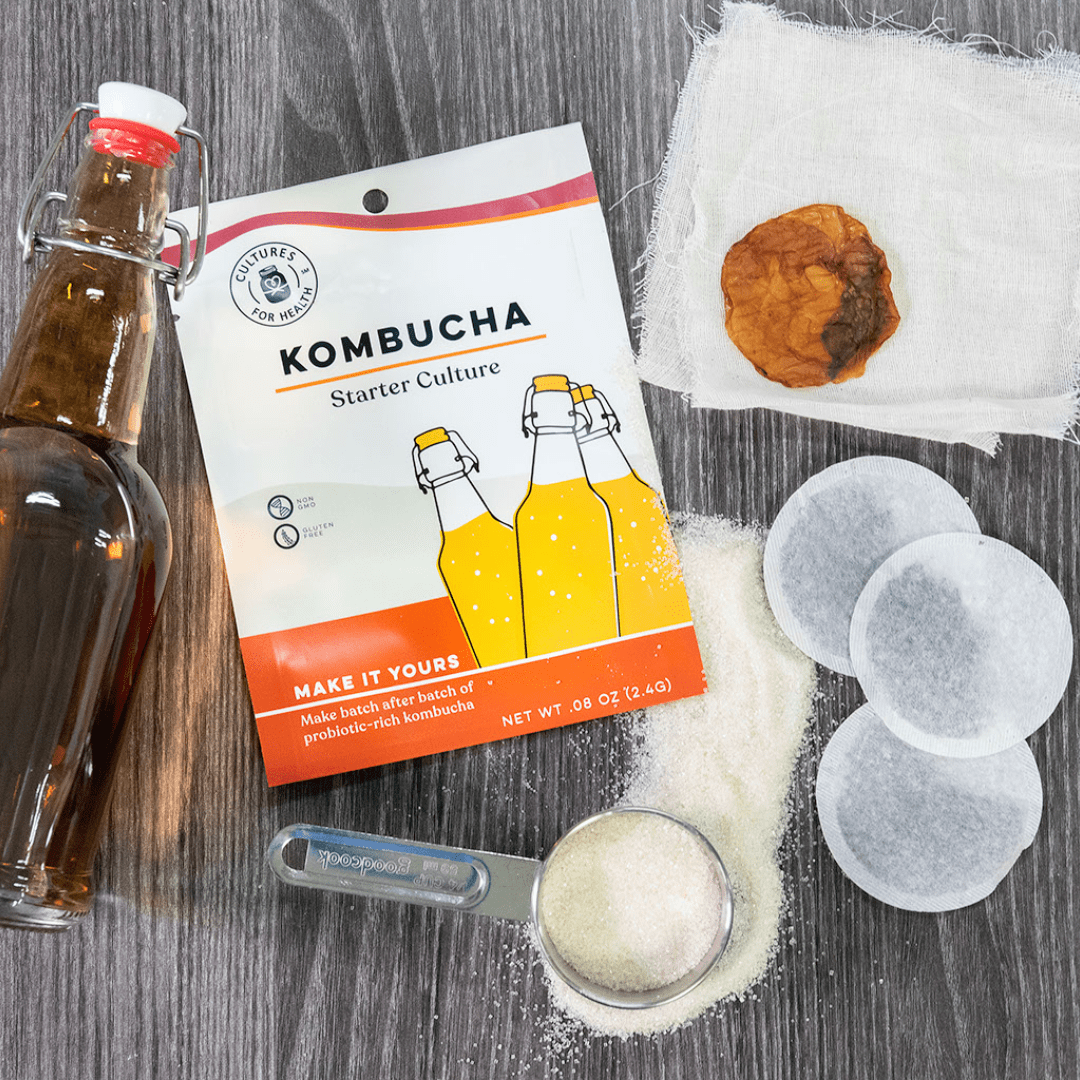
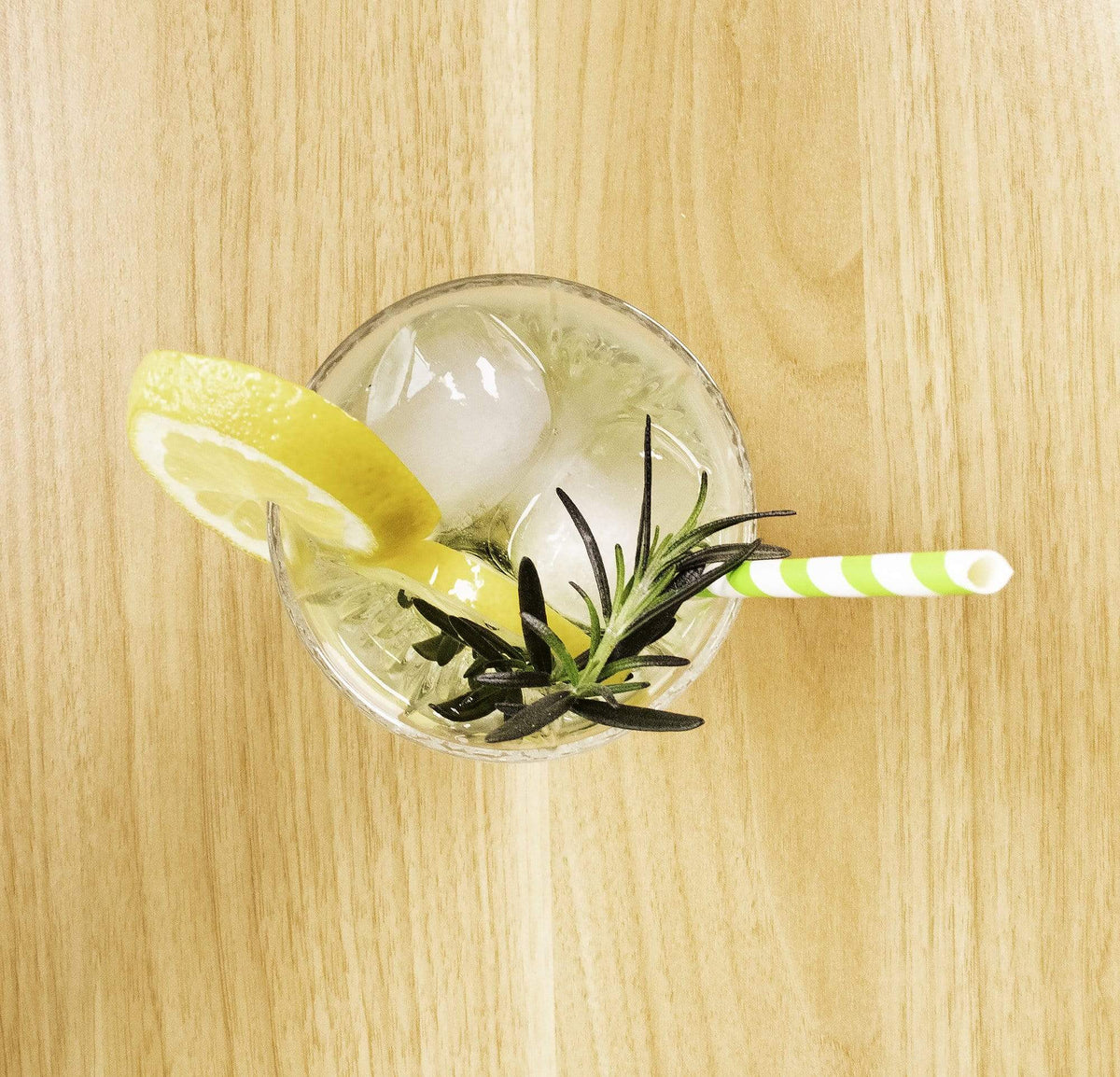
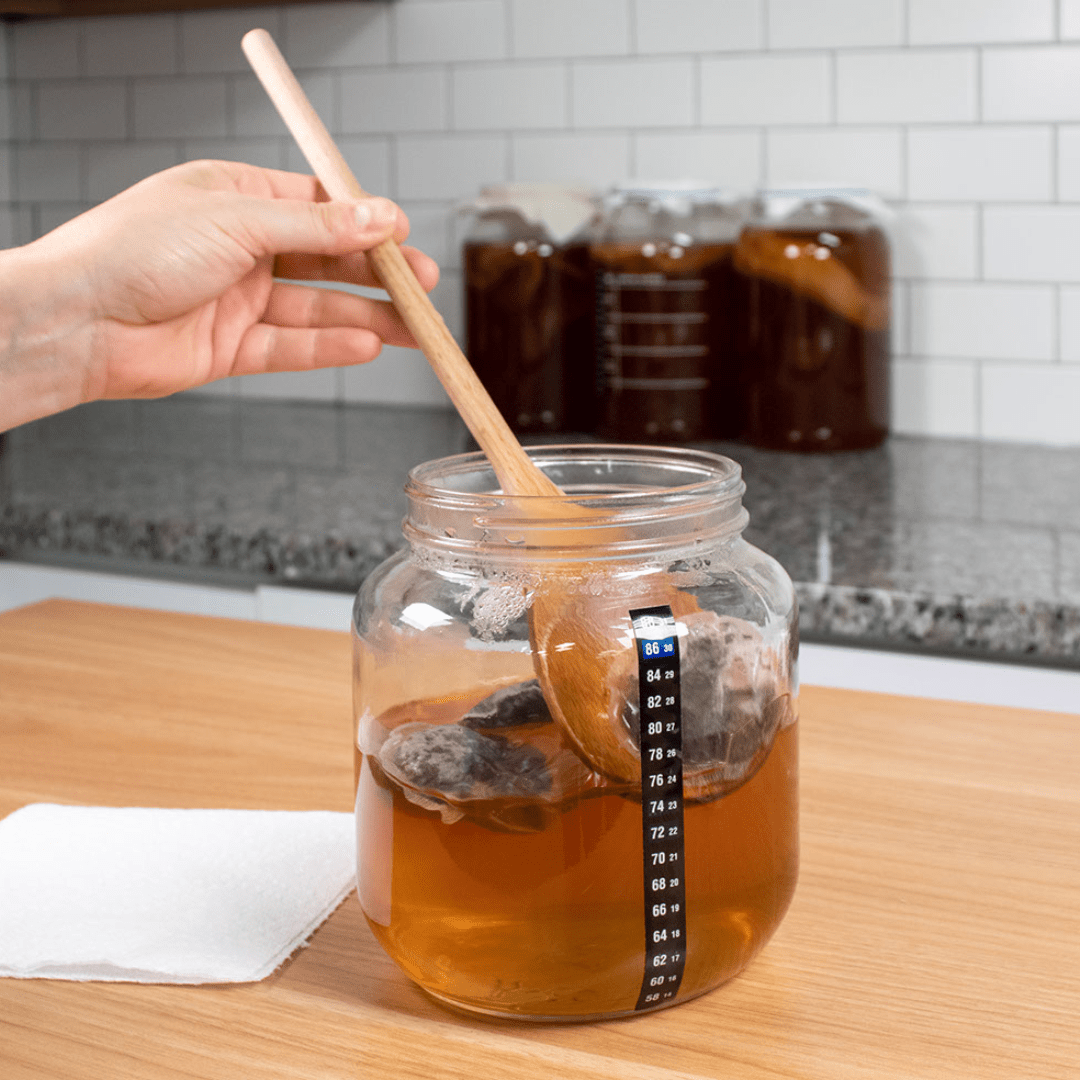
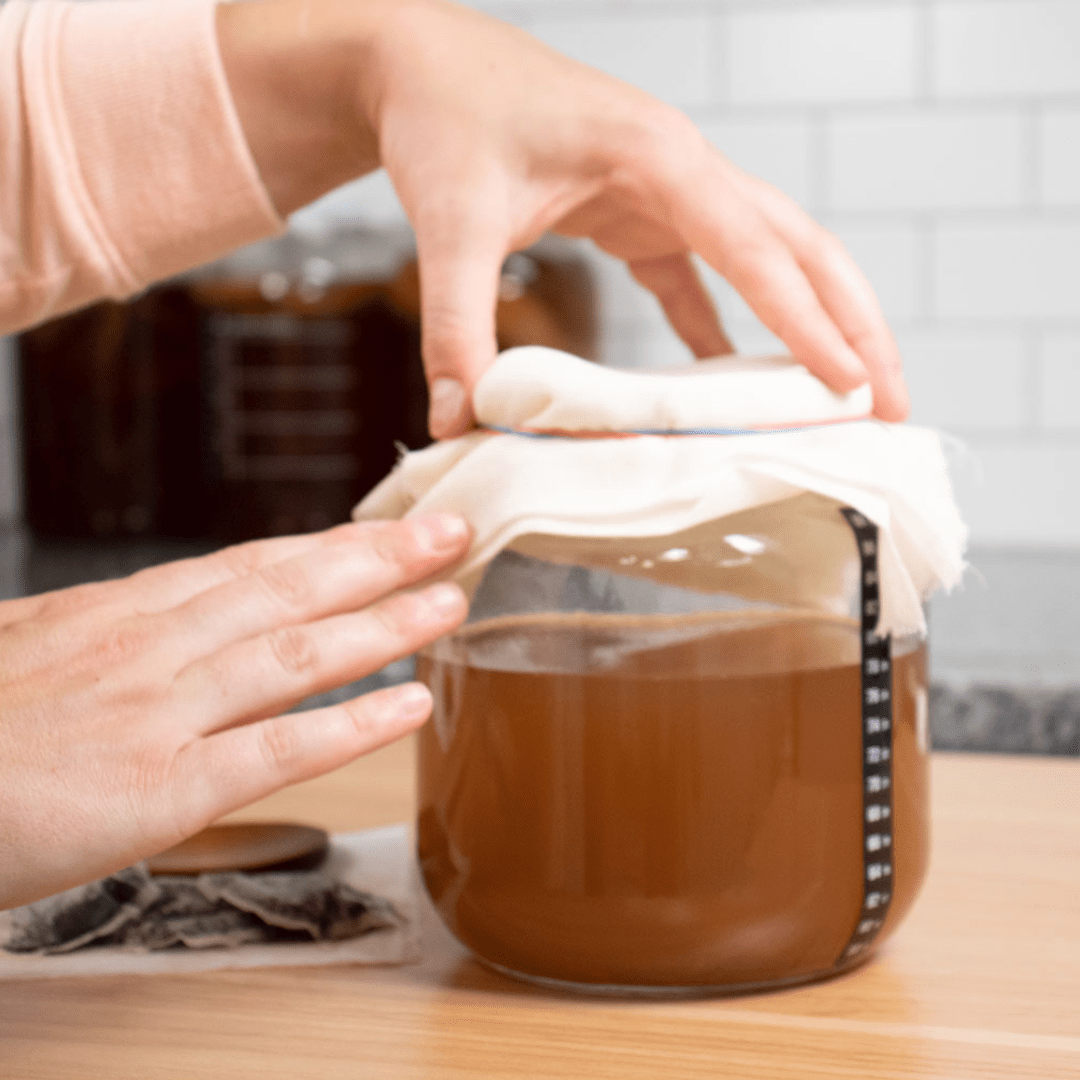

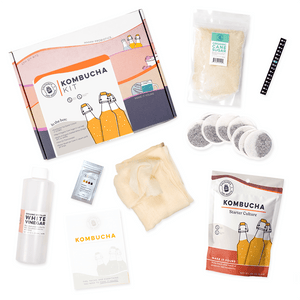


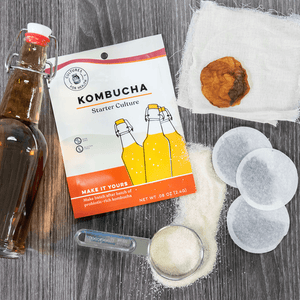

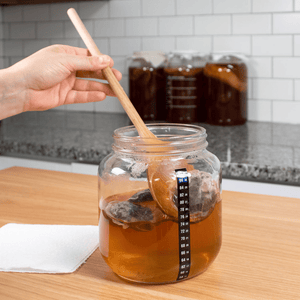

Kombucha Starter Kit
Download your free Kombucha Guide and Recipe Book and start brewing your delicious kombucha at home today!

- Browse our collection of kombucha recipes
- Learn how to use kombucha as a brine for marinating meat
- HOW-TO VIDEO: Assembling Grolsch Flip-Top Bottles
- The Complete Kombucha Brewing Glossary: Baby SCOBYs to Second Fermentation
- Basic Kombucha Recipe