






















WHAT IS KEFIR AND HOW IT DIFFERS FROM YOGURT?
Many people assume that because yogurt and milk kefir are both cultured dairy products, there aren't many differences between the two.
This is actually not true. There are several differences between yogurt and milk kefir, including how each is made, the types of bacteria present in each, and their flavor and consistency.
If you understand the differences between kefir vs yogurt, you'll be able to decide which of these cultured dairy products is right for you!
Click here to download our full kefir and yogurt recipe book, filled with tips, tricks and recipes to make amazing kefir yogurt at home.
KEFIR YOGURT: IS THAT A THING?
There are some great yogurts that are thin and drinkable, and some nice, thick milk kefirs. As a result, sometimes people assume that kefir is a kind of yogurt called kefir yogurt. While they do share some similarities, kefir and yogurt are two different things.
Yogurt is a mix of different bacteria that culture dairy. Depending on the exact mixture of bacteria, you get different kinds of yogurt. Kefir, on the other hand, is a symbiotic culture of bacteria and yeasts. Since this is a delicate balance, there aren't really different kinds of milk kefir.

UNCOVERING THE TYPES OF KEFIR & YOGURT STARTER CULTURES
Milk Kefir Strains
Milk Kefir is a mesophilic culture, which means it cultures at room temperature, no matter which type of starter culture you use. So milk kefir really only has one+ "strain" or culture. It's a mix of bacteria and yeasts that work together through multiple fermentation channels to produce the end product.
However, you can get that culture working through traditional kefir grains that will produce kefir time after time or through a milk kefir starter powder which produces the same milk kefir, but without the actual grains, its effectiveness wanes after a few batches and requires a new infusion of starter powder to keep making kefir.










Milk Kefir Starter Kit
Yogurt Strains
There are two types of yogurt starters: mesophilic and thermophilic. Mesophilic means that the yogurt starter is cultured at room temperature. Thermophilic means the yogurt starter is heat-loving. This type of yogurt starter is best prepared in a yogurt maker or similar appliance and it will culture at around 110ºF.
In both cases, yogurt strains are a collection of bacteria, not yeasts, that produce the final product. Different combinations of bacteria can produce very different results while they culture milk.
PROPAGATION OF KEFIR VS. YOGURT
Propagating Milk Kefir
Similar to culturing yogurt, milk kefir can be cultured using a reusable or single-use culture.
While a bit of the previous batch of yogurt is used for culturing yogurt continuously, milk kefir, on the other hand, is cultured continuously using milk kefir grains. The "grains" are actually a gelatinous mass harboring a generous variety of bacteria and yeast from which one can make continual batches of kefir. Milk kefir grains need to be transferred to a fresh batch of milk about every 24 hours.
Milk kefir can also be made from a powdered kefir starter, similar to a direct-set yogurt culture. Powdered kefir starter culture may be re-cultured a few times using kefir from the previous batch, but eventually, new powdered starter will be required.
Propagating Yogurt
Yogurt starters come in both reusable and single-use varieties. Reusable yogurt starters, once activated, are re-cultured by mixing a bit of a previous yogurt batch into fresh milk. Once the new batch is complete it becomes the starter for the next batch, and so on. These yogurt cultures generally require re-culturing at least once a week.
Direct-set, or single-use, yogurt starters come in powdered form, and are usually thermophilic. Each new batch of yogurt requires a new packet of starter cultures. While this type of yogurt may be re-cultured a few times, at some point a new packet of powdered starter will be required.
EXPLORING THE TYPES OF BACTERIA PRESENT IN KEFIR VS. YOGURT
In the great debate of kefir vs yogurt, what stands out is the unique characteristics each of these dairy products bring. If you've been on the lookout for a versatile, probiotic-rich, cultured dairy product, a kefir yogurt drink could be just what you need. By simply allowing the kefir grains to ferment in milk, you get a tangy, effervescent drink that's brimming with beneficial bacteria and yeasts.
Milk Kefir Cultures
The bacteria in milk kefir can actually colonize the intestinal tract. Kefir also contains a far larger range of bacteria, in addition to containing yeasts.
This large variety of helpful bacteria and yeasts makes milk kefir one of the most diverse probiotics you can make at home.
For more information, this article lists two researchers' findings on the bacteria and yeast strains comprising milk kefir grains.

Yogurt Cultures
The beneficial bacteria found in yogurt help keep the digestive tract clean and provide food for the friendly bacteria found in a healthy gut. They pass through the digestive tract and are called transient bacteria
Each particular strain of yogurt has its own set of bacteria that create its unique properties. Some yogurt strains have just one or two types of bacteria, some have many different bacteria. Store-bought yogurts tend to be more mono-cultural than homemade yogurt.
This chart shows the bacteria strains in each of our best yogurt starters.
THE FLAVOR AND CONSISTENCY OF KEFIR VS. YOGURT: A TASTE TEST
Milk Kefir Flavor
Milk Kefir is also tart, but it can have a touch of yeast flavor, due to the beneficial yeasts present in the culture. Milk kefir's flavor is more sour than yogurt's flavor, and has been described as a cross between cultured buttermilk and yogurt. It is also possible to manipulate the flavor of milk kefir based on its fermentation time.
While yogurt is almost always eaten with a spoon, milk kefir is usually consumed as a cultured dairy drink.
Yogurt Flavor
Yogurt generally has a flavor familiar to most people. Different varieties of yogurt starter produce yogurt that varies from mild to tangy. The consistency of yogurt varies from a thin, pour-able yogurt, such as Piima, to a fairly thick, creamy yogurt such as Bulgarian.
Most varieties of yogurt are thicker than kefir, though. You can compare the flavor and consistency created by each of our yogurt starters in our article on choosing a yogurt starter.

VERSATILITY OF KEFIR & YOGURT: THE CULINARY POSSIBILITIES
Both yogurt and milk kefir may be made thicker by draining whey from the finished product. Draining whey from yogurt results in thick Greek-style yogurt. Longer draining times create labneh or yogurt cheese.
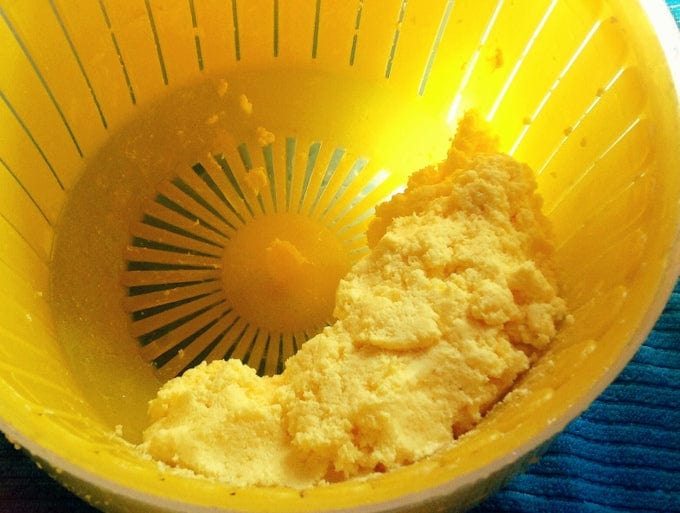
Milk kefir can be drained of whey to make spoonable kefir, soft spreadable cheese, kefir cream cheese, or even hard cheese.
In addition to these different cheese products, both yogurt and milk kefir are quite versatile and can be used in many recipes, from dips to baked goods.
Cultures for Health helps you to choose the cultured dairy that is right for your lifestyle. The difference between kefir and yogurt may seem subtle, but their unique characteristics cater to different dietary preferences and lifestyles. Whether you prefer kefir yogurt cultures or simply want to stick to the traditional yogurt cultures, we've got you covered.
Want To Start Making Your Kefir Yogurt Drink At Home? Download Our Yogurt Guide And Recipe Book Today!

KEFIR YOGURT MAY NOT EXIST, BUT KEFIR AND YOGURT ARE BOTH GREAT CHOICES
In short, yogurt is a good source of probiotic bacteria, that requires weekly maintenance, depending on the culture chosen. It is generally a spoonable consistency and may be mild or tart in flavor. Yogurt may be used in a variety of recipes.
Similarly, milk kefir is also a great source of probiotic bacteria and yeast. If using milk kefir grains, you'll need to make time for daily maintenance to make milk kefir. It is also generally sourer in flavor and of pourable consistency. There are countless milk kefir recipes.
Whether you make yogurt or milk kefir, both cultured dairy products provide probiotic benefits that can be enjoyed by making real food in the comfort of your home using our starter cultures. By making your yogurt, you can also reap the yogurt benefits that come from consuming this delicious and nutritious fermented dairy product.
Cultures for Health allows you to choose the cultured dairy that is right for your lifestyle.
Whether you prefer yogurt cultures or milk kefir grains, we've got the best options for you to choose from.
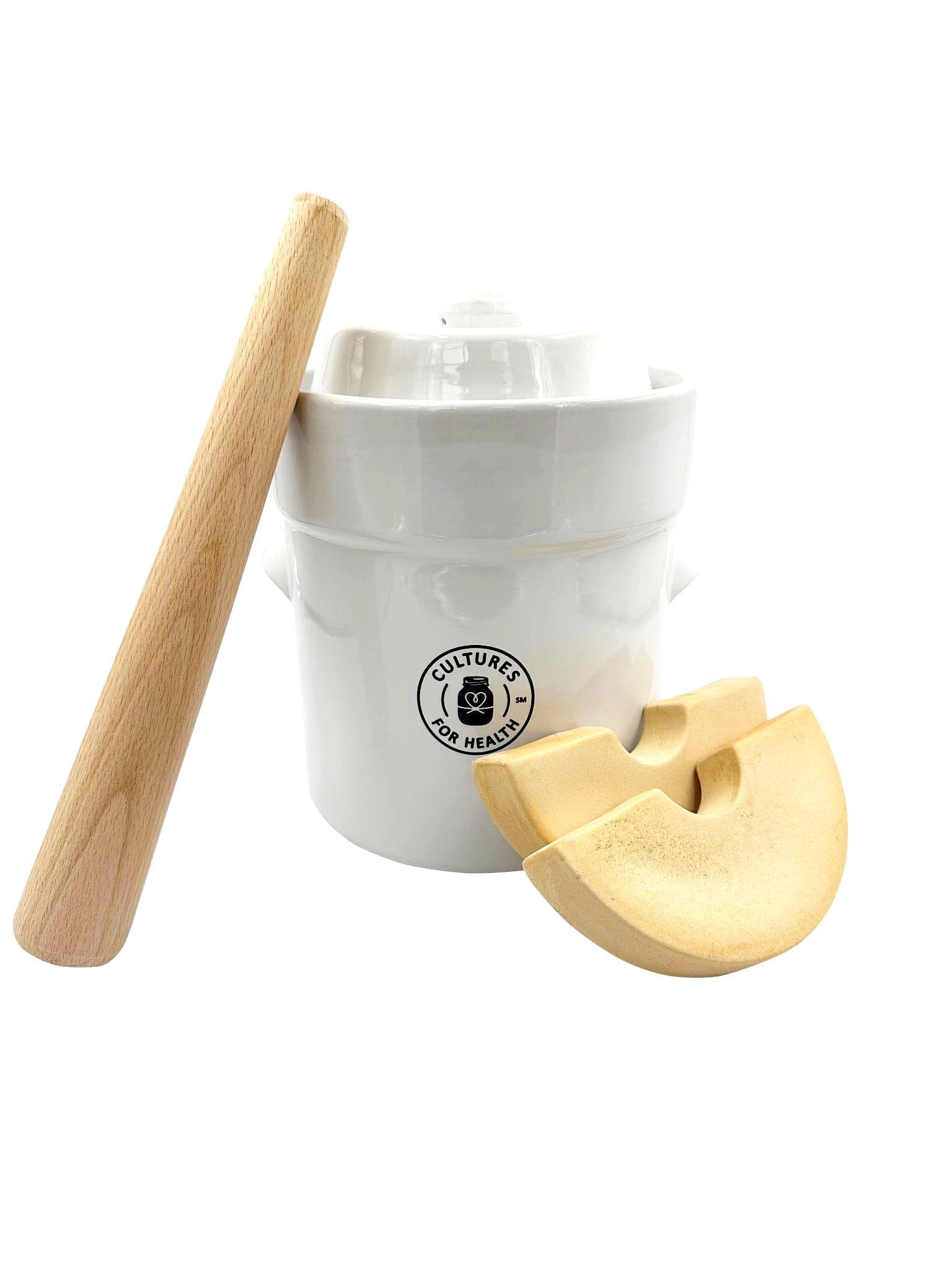
The best way to start making your own food at home is our yogurt and milk kefir kits and fermentation kits. These have all the tools and ingredients you need to start making the best-fermented food in your home!
Click here to check out all of our fermentation products or click below to check out our amazing yogurt and milk kefir starter kits!
Lastly, it's worth noting that the probiotics found in both kefir and yogurt have the ability to improve digestion, boost immunity, and promote overall health. Especially in the case of milk kefir, the diverse range of bacteria and yeasts make it a superior probiotic source. And if you are wondering, "What is kefir?", it's this incredible combination of yeast and bacteria working together to give you a highly nutritious, probiotic-rich drink, often referred to as keifer yogurt.
So, whether you're making a thick, creamy yogurt or a tangy, drinkable kefir, rest assured you're embarking on a journey towards better health. And remember, the best way to start making your own food at home is our yogurt and milk kefir kits and fermentation kits. These have all the tools and ingredients you need to start making the best-fermented food in your home!