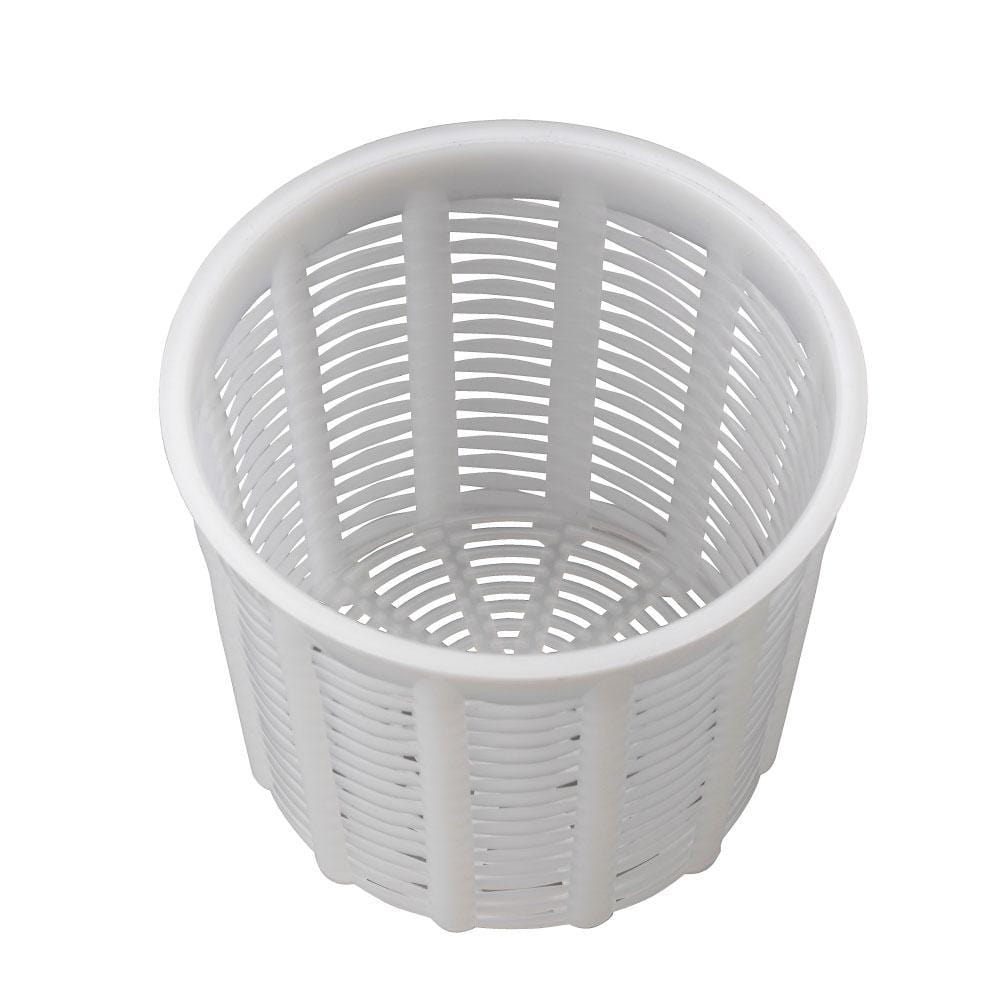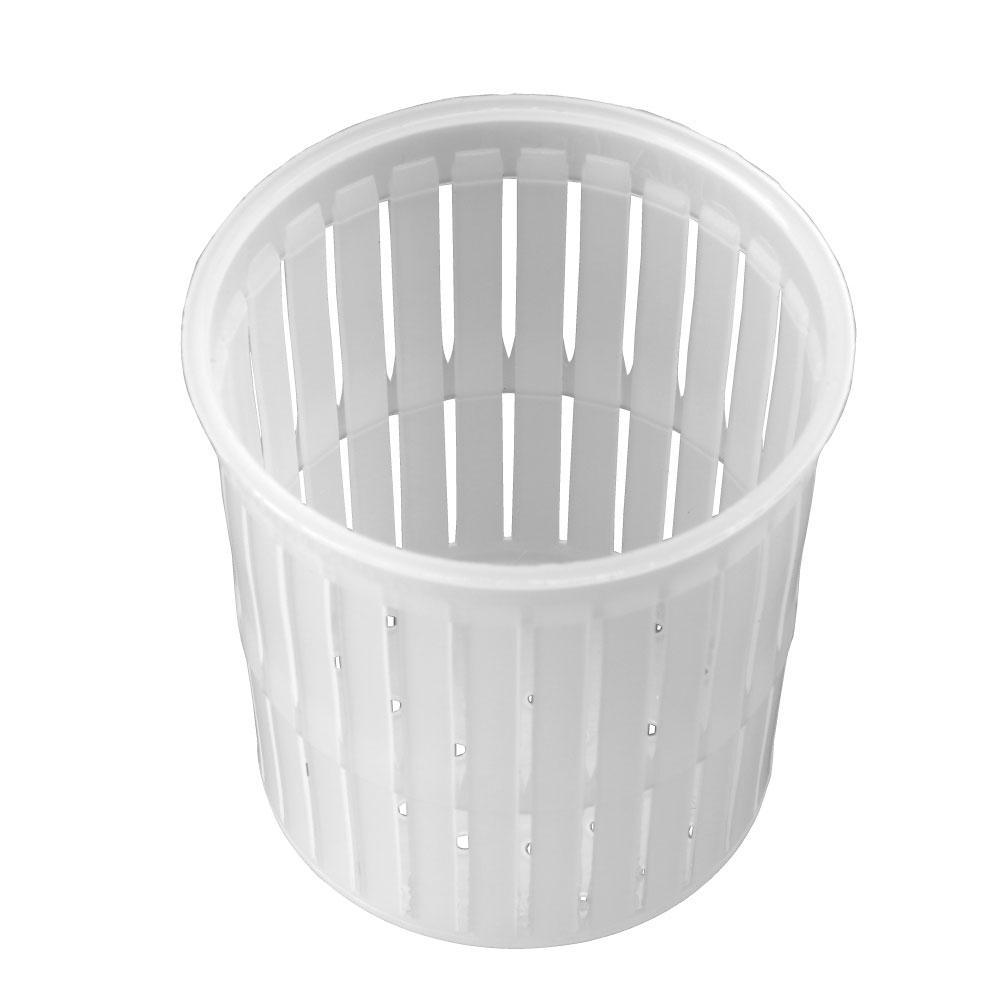

Cheesemaking Equipment


In the old days, cheesemakers at the homestead were limited to using what they had on hand and what they could scavenge from around the place. Straw baskets were used for drying cheese; animal stomachs for coagulation; tree bark, clay, and wood for molds; and common dish towels for draining sacks. Today we have specialized tools, most of which developed from the practical resourcefulness and ingenuity of generations of cheesemakers gone before us.

Cheese Pot. A cheese pot is the single most important piece of equipment used in the cheesemaking process. You might not even have to purchase a specialized pot for your cheesemaking adventures. If you are lucky you may already have one in your kitchen. Buying anything new and specialized for cheesemaking is optimal, but it may be quite expensive. A pot used for cheesemaking must be nonreactive. Glass, unchipped enamel, or stainless steel are good options. No aluminum, Teflon, chipped enamel, or other kinds of metals can be used for they might mess with the chemical balances of your cheese. The size will depend on the batches of cheese you are planning on making, but just remember: the bigger the pot, the longer it will take to heat and the harder it will be to keep at temperature, so large pots will not be good for small batches. Also, some people use large double boilers. In the end it is up to you and how you decide to heat and make your cheese.

Cheese Spoon (or skimmer). You will end up using your cheese spoon like a third hand in almost all of the cheesemaking steps. It is used for adding culture or starter, incorporating rennet, stirring curds, scooping curds for draining, and scooping curds into the press. So your spoon will probably have to be designated and guarded closely because it is an essential tool in the cheesemaking process. You will also want your cheese spoon to be nonreactive. Plastic or nylon works, but you will have to pay close attention to cleanliness in all those little holes, which seems to be harder in plastic spoons.

Curd Knife. A good curd knife has a long, straight blade that reaches clear to the bottom of your pot, while not immersing the handle. It usually has a flat tip, so as not to scratch the cheese pot during the curd-cutting process. Cheesemaking supply stores sell specialized knives for this purpose, but look around in your kitchen, as you might already have a knife that is up to the task and meets the requirements.

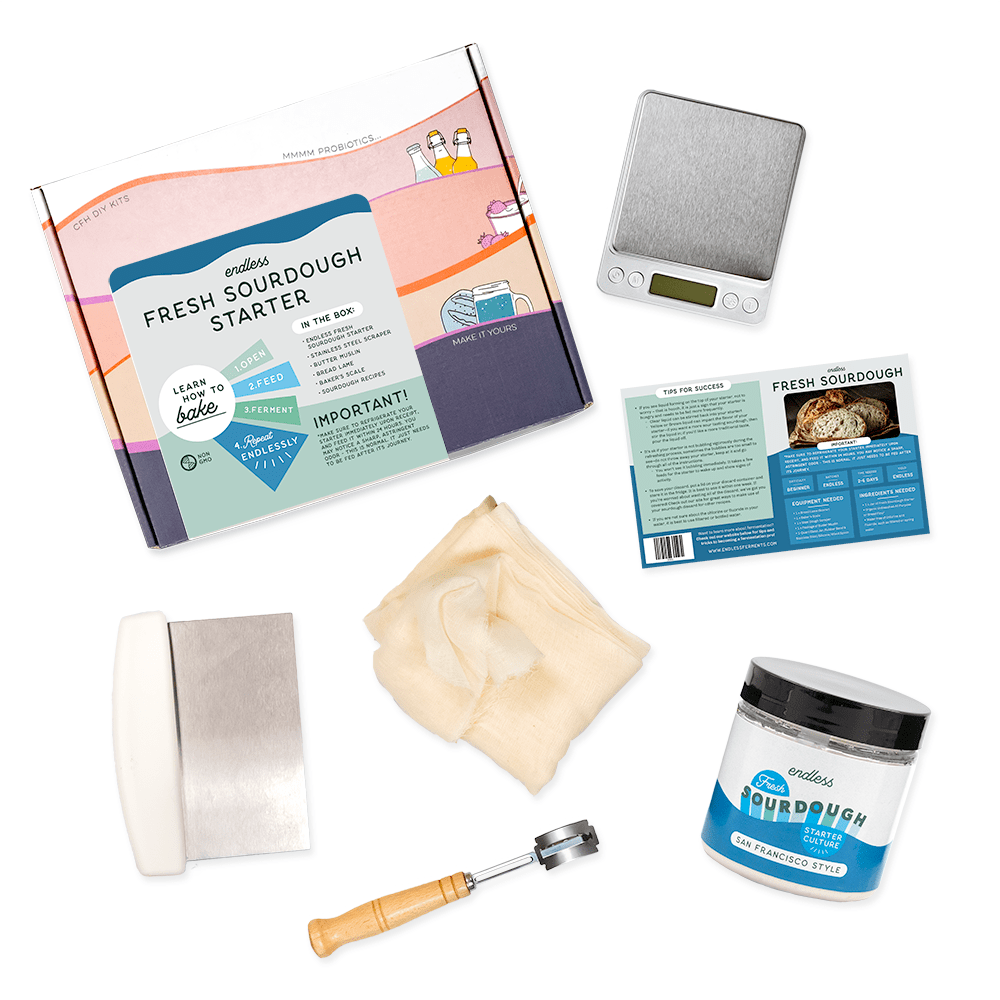
Kitchen Scale. A scale is essential for weighing ingredients. Any type will do.

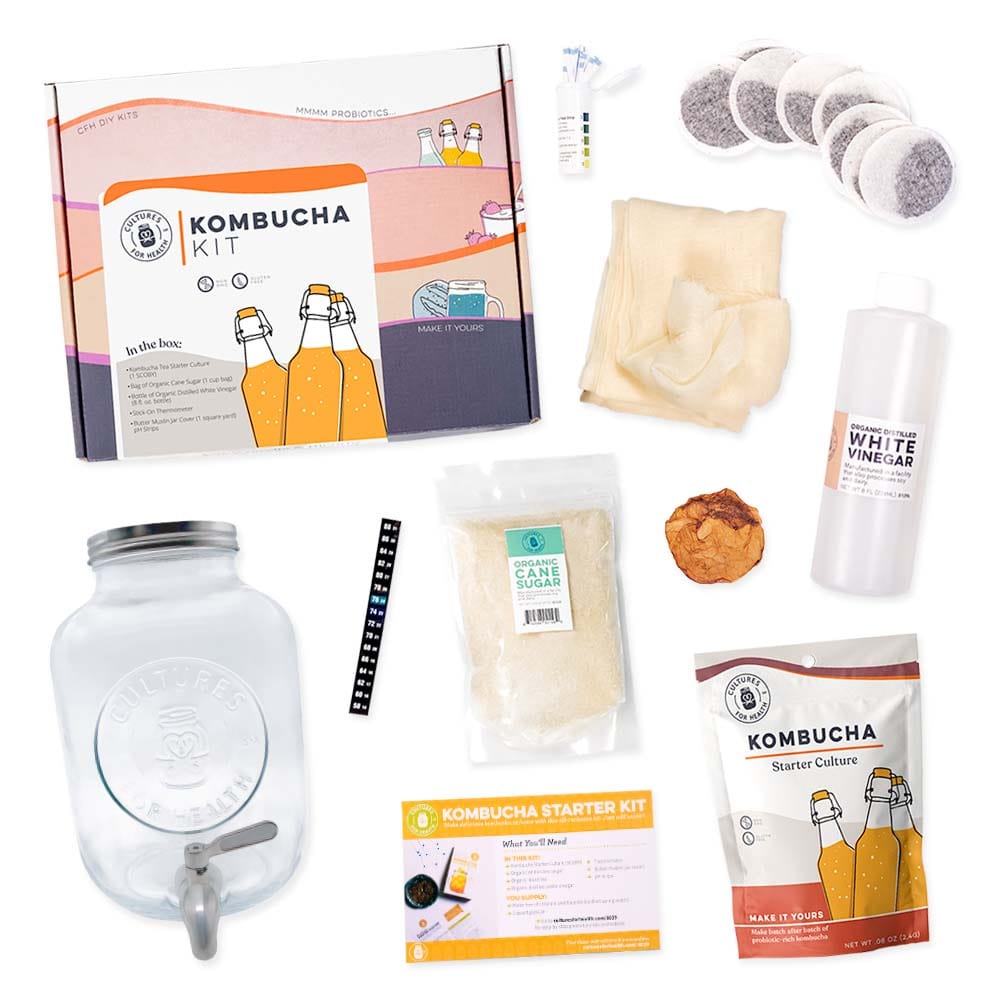
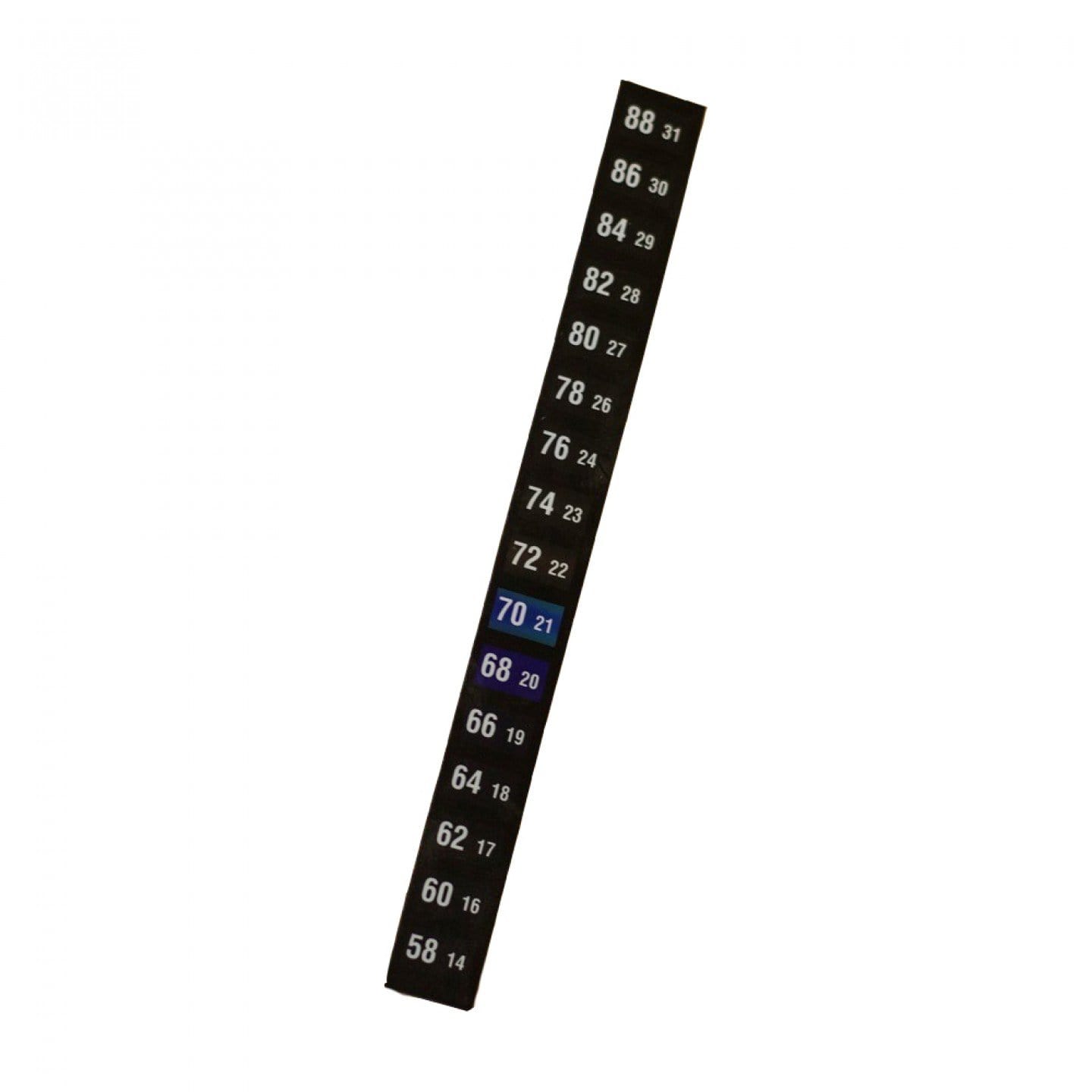
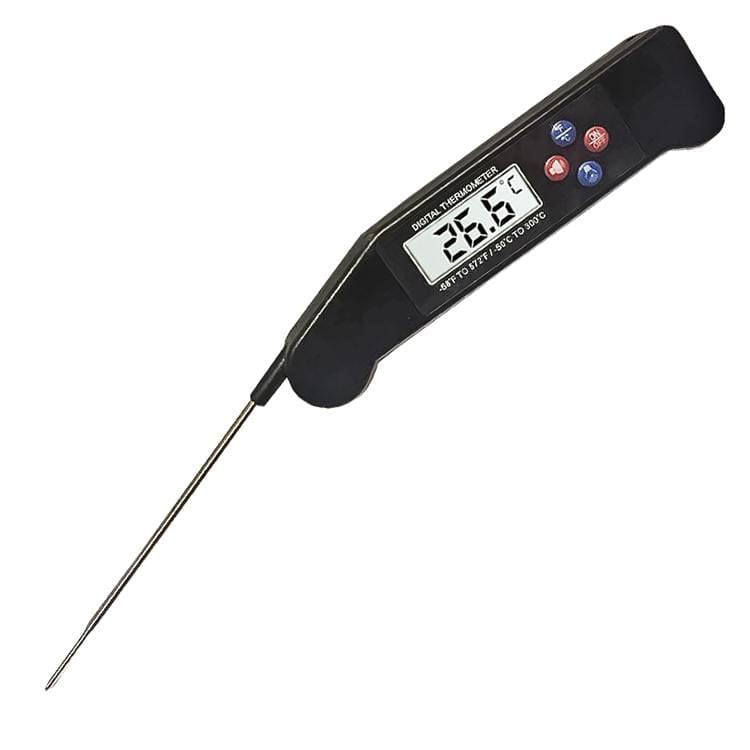
Dairy Thermometer. This is one of the few things you really should buy new from a cheesemaking supply house. The thermometer must be reliable and accurate, and the ones made for cheesemakers are long enough to reach to the bottom of a cheese pot. They also have a handy clip for attaching to the side of the pot, which is a great help during the cheesemaking process.

Measuring Spoons and Cups. Stainless steel measuring utensils are preferable, but sanitized plastic or nylon will work just as well. If you have to measure smaller increments than are generally found in a regular baking measuring spoon set, you can buy a set of cheesemaker’s measuring spoons and they will have all the odd fractions you need.

Bowl. You will need a bowl for curd milling, and for catching whey, and for heating milk if you don’t want to use the stovetop method of heating your cheese. Also, if your bowl is large enough, you can place your pot of milk or curds into it and pour hot water into the bowl around it to bring up or maintain the temperature of your milk or curds. So choose a large , sturdy bowl (13-quart if you can find one), and it will serve many purposes.

Colander. A colander is used for draining the curds of whey. Any material (plastic, metal, enamel) will work, because you will line it with cheesecloth anyway.

Cheese Wax. Cheese wax is food-grade and pliable. You will have to order this specially, because cheese wax is a special type of wax, not made from paraffin. Cheese wax comes in three colors: natural (yellow,) red, and black. Beeswax can also be used, but it is typically more expensive. Good cheese wax is reusable, which means it can be melted back down and strained to remove particles after you have removed it from the cheese.

Cheese Boards. A cheese board is a handy draining platform commonly used for cheese like Brie and Coulommiers. It is normally a strong, sturdy, well-seasoned board made of some type of hardwood like birch or maple, but not oak or cherry as the tannins in those woods would be harmful for the cheese. Cheese boards can also be used for drying cheese. It is recommended that you have at least two on hand.

Cheese Mats. Cheese mats typically are woven mats made of reed or food-grade plastic. They can be purchased from cheesemaking supply houses and are used for air-drying cheese. (You can also use sushi mats or square plastic needlework blanks found at craft stores.)

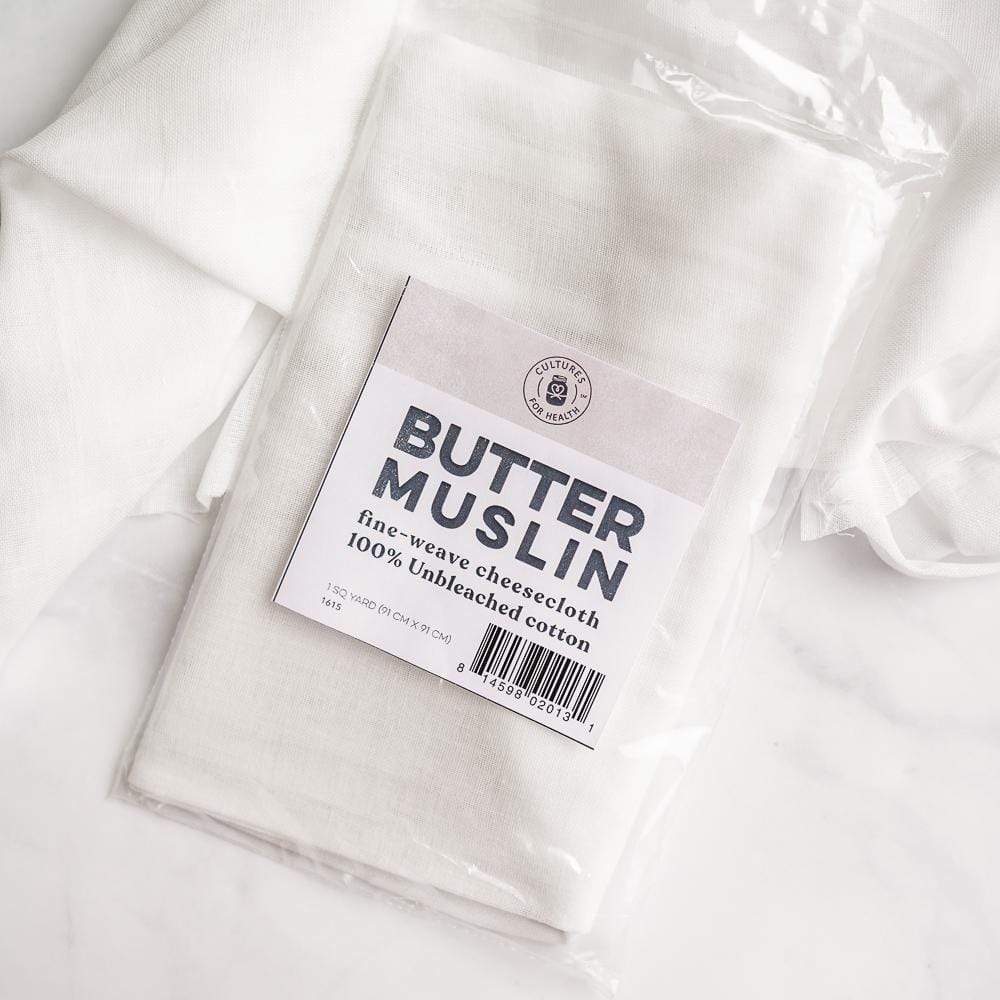
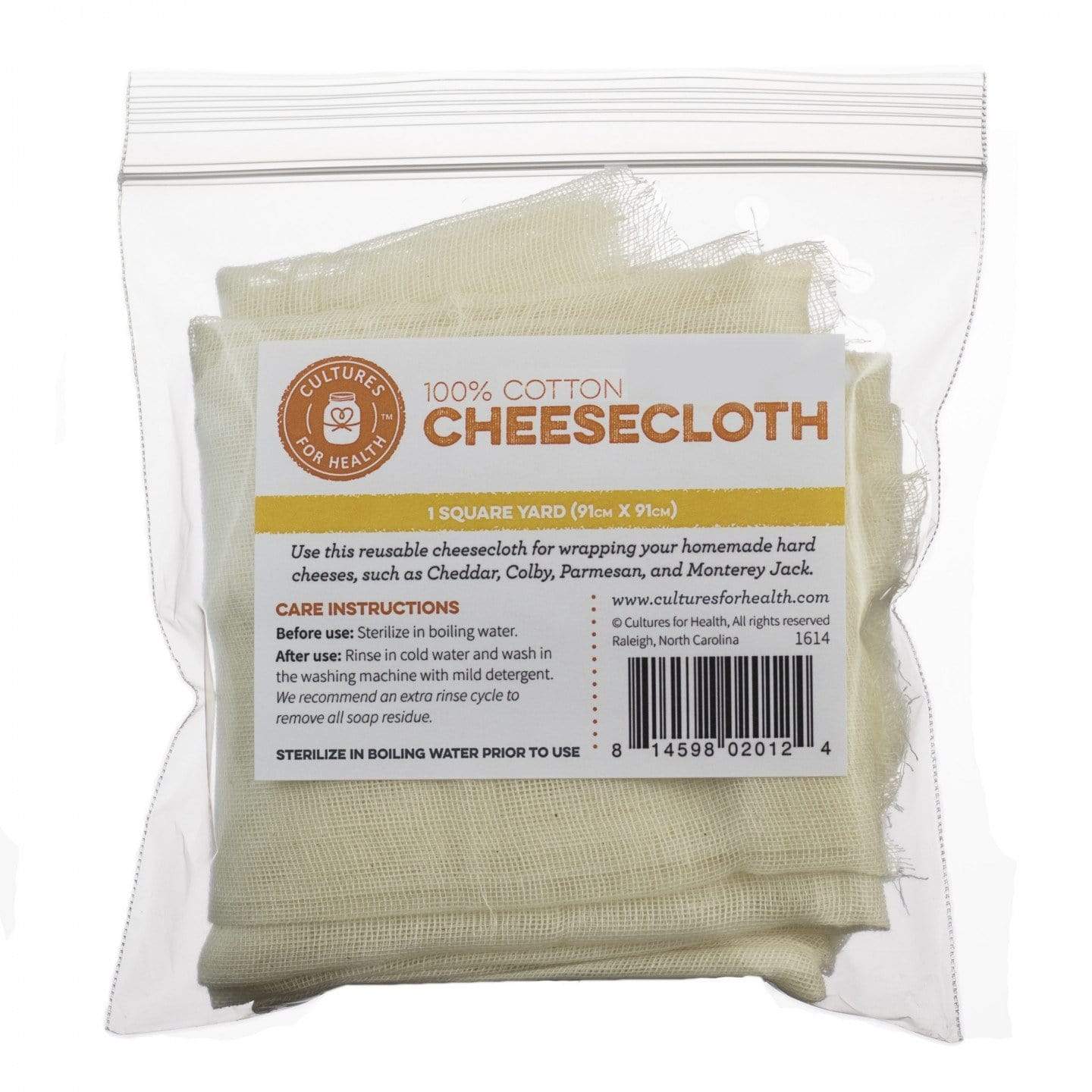
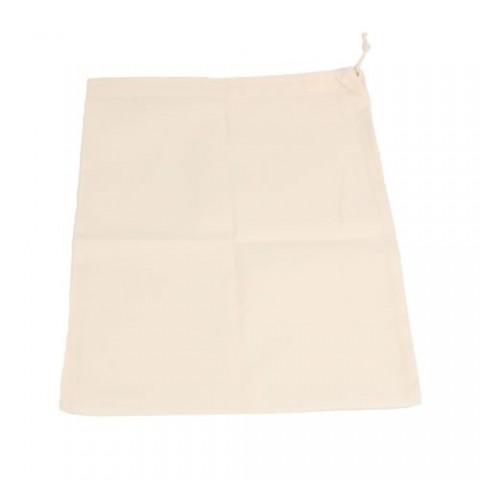
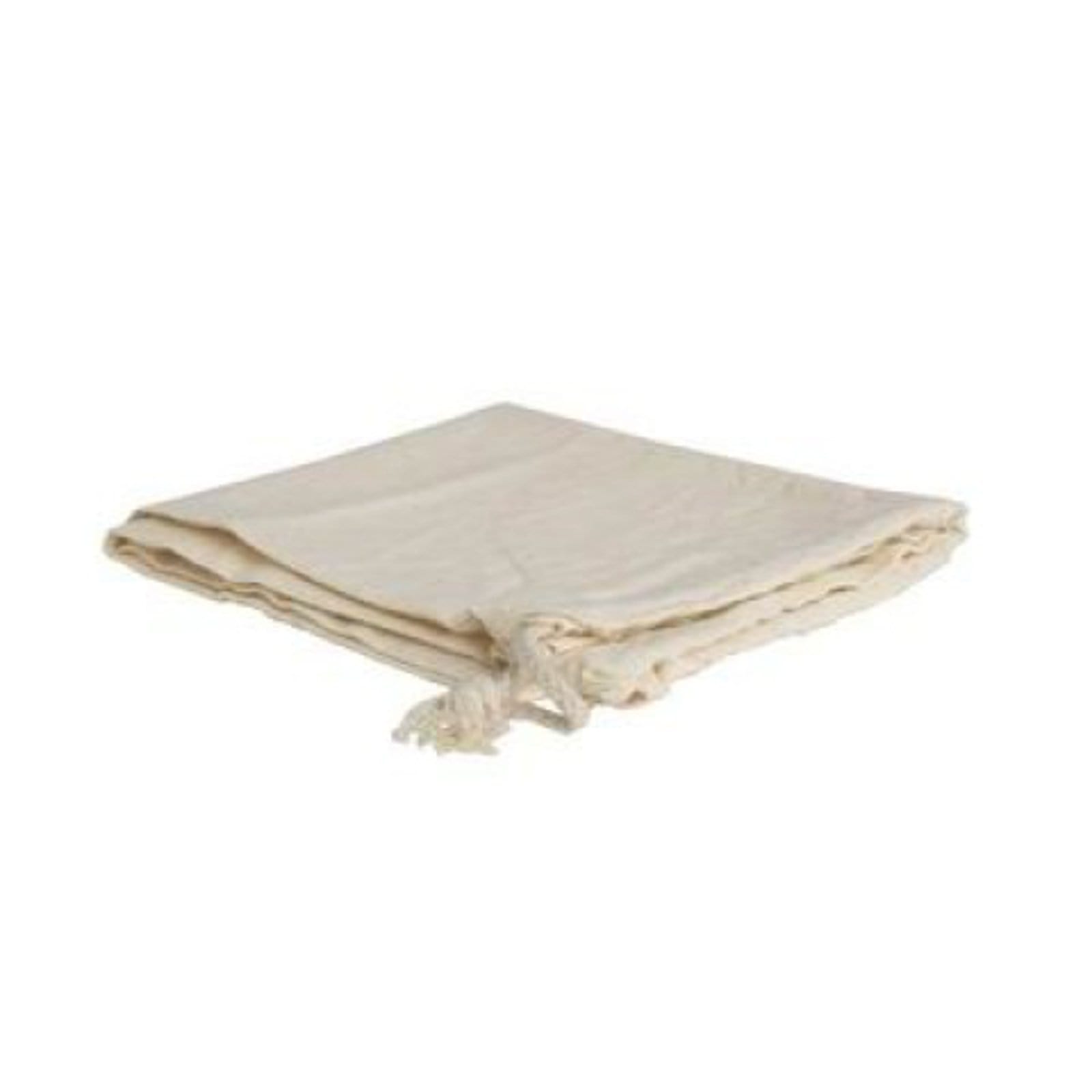
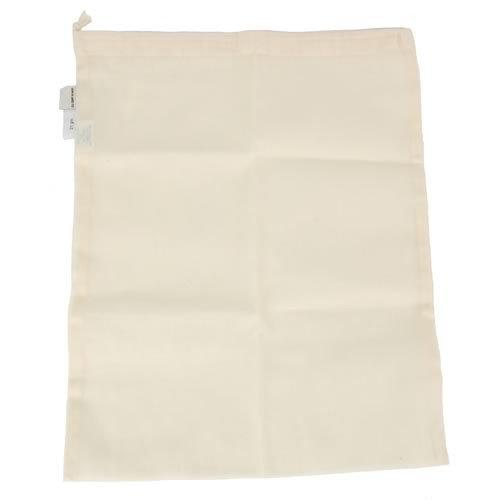
Cheesecloth or Butter Muslin. Cheesecloth is used for draining cheeses and for lining the cheese press. It is a strong cotton cloth with varying tightness of weave depending on the kind of cheesecloth you buy. Butter muslin is just a more tightly woven form of cheesecloth, and called for in certain recipes when the moisture of the cheese is a bigger issue. You can buy cheesecloth at the grocery store, but chances are you will not want to reuse it, for it is a loose weave and prone to falling apart if you try to wash and use it again. Cheesecloth bought from most cheesemaking supply houses will be tougher and stronger and more likely to stand up to an indefinite amount of washing and reuse. After using cheesecloth, just rinse it out in cold water. If there are bits of curd stubbornly sticking to it, some people say whey works wonders for removing it. After rinsing it, wash it in warm water. Boiling it works well to sanitize it. Air-dry it in a place where it isn’t likely to get any dust or dirt in it, then fold it up and store it in a zipper-style plastic bag until you are ready to use it again.

Drip Tray. A drip tray is essential for placing under your press to catch the expressed whey so it doesn’t make a mess on your kitchen counter. You can just use a deep cookie tray and it works just fine, but there are specially-made drip trays at the cheesemaking supply houses, so just decide what you think will work best for you.

A Record-keeping Notebook. Any experienced cheesemaker will advise you to keep a notebook and pen handy during cheesemaking and write down what you do and when you do it during the process. Even though you are probably following a recipe, there will be some slight variations. Whether you accidentally let the temperature of your cheese go to low or too high, you let it sit longer than the recipe recommended, you added more or less of this or that, or whatever it is that you did slightly differently by accident or intent, write it down. Because if you finish that cheese, and taste it and absolutely love it, you will kick yourself if you don’t remember what it was you did wrong, right, or differently. Or for example, if the cheese turns out drier or harder than you wished, and you see in your notes that you added more rennet than usual (or something), then you can try adding less next time and thereby solve your problem. By keeping a good record of what you are doing during cheesemaking, you have the ability to create your own recipes and/or fix the ones you have to make them your own.

The sky is the limit when it comes to the fun you can have with making cheese, and with your new personalized arsenal of tools, you will be well-equipped to cook up a delicious cheesy storm.


Ready to Learn More?


Cheesemaking equipment


Related Articles & Recipes:


Related Products:


Cheesemaking Starter Kits


Cheese Starter Cultures


Cheesemaking Supplies and Books