










Fermented vegetables that can be made with our fermentation kit begin with lacto-fermentation, a method of food preservation that also enhances the nutrient content of the food.
The action of the bacteria in the fermenting vegetables process makes the minerals in these cultured foods more readily available to the body.Moreover, fermenting not only helps in preserving food but also in enhancing its flavors, resulting in a delicious, tangy taste that is unique to fermented food. The bacteria also produce vitamins and enzymes beneficial for digestion.
FERMENTED VEGETABLES: A WORLD BEYOND PICKLES AND SAUERKRAUT
Everyone is familiar with the tried and true pickle, or tried sauerkraut, both of which are fermented vegetables. But fermenting goes way beyond cucumbers and cabbage.
Almost any vegetable can be fermented, and fermenting farm-fresh produce is a great way to provide good nutrition year-round! Fermenting one vegetable alone or creating a mix of many different vegetables, along with herbs and spices, can create a great variety of cultured foods. Below is what you'll need to get started fermenting.
HOW TO FERMENT VEGETABLES AT HOME
1. CHOOSE YOUR FERMENTING EQUIPMENT
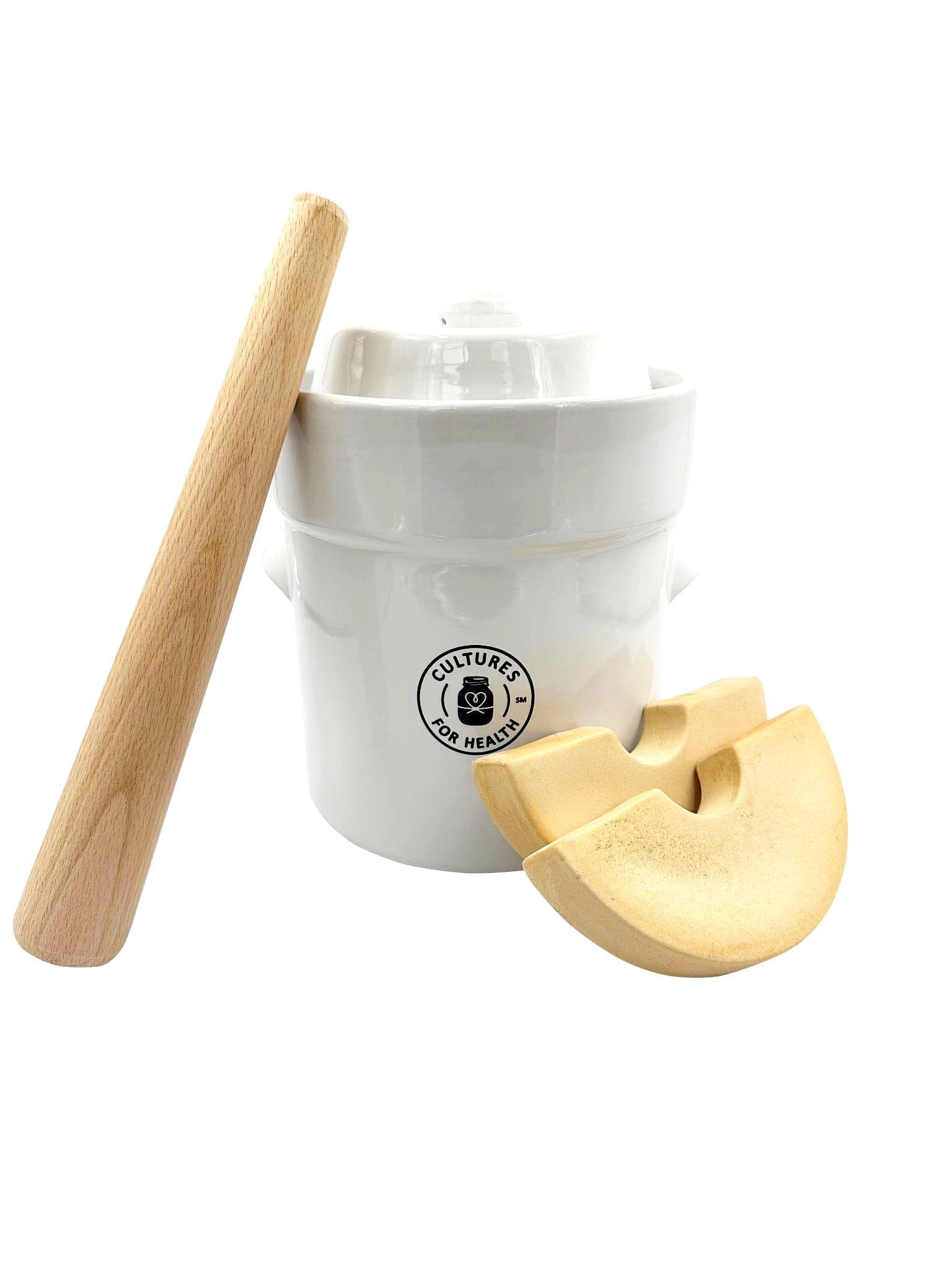
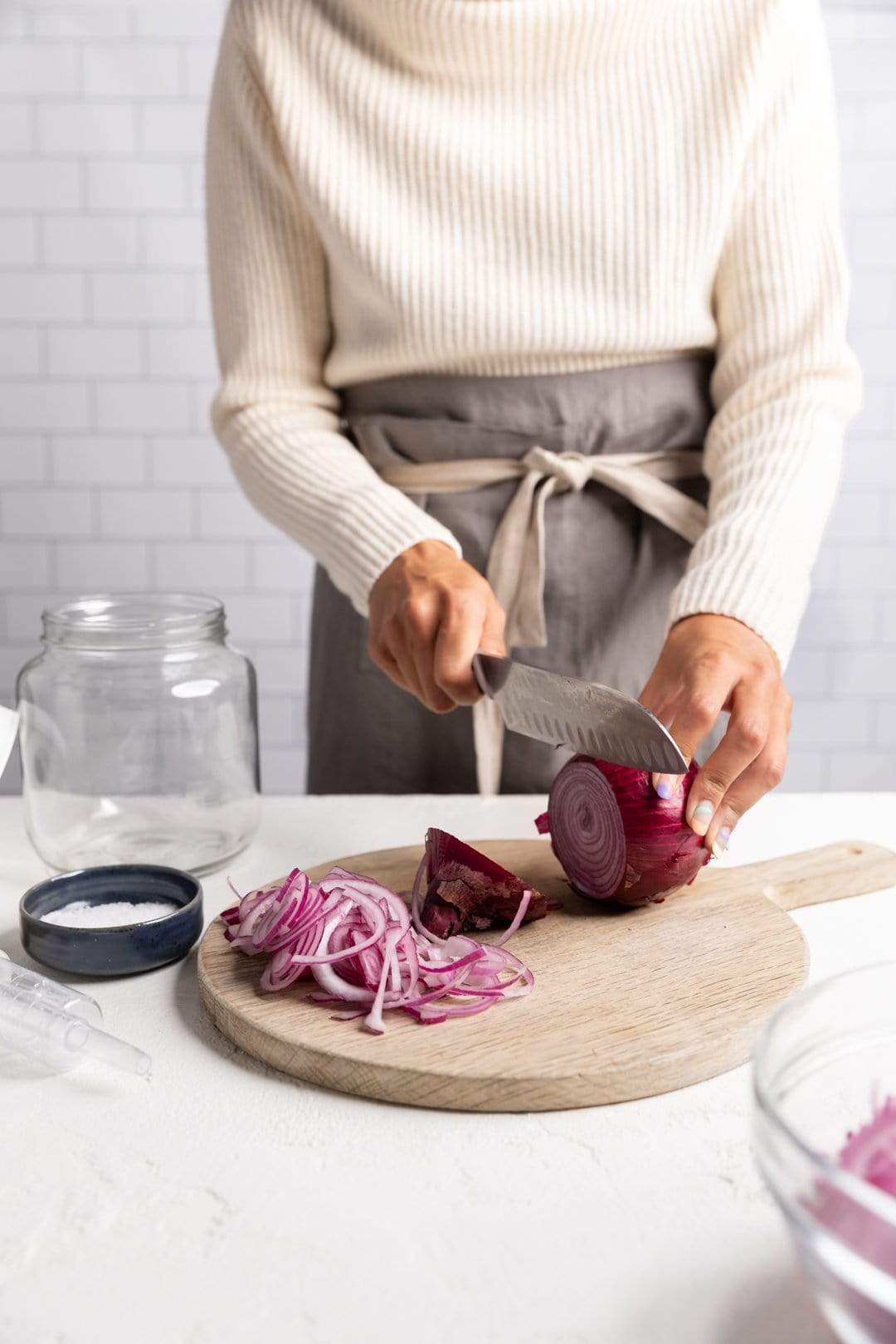
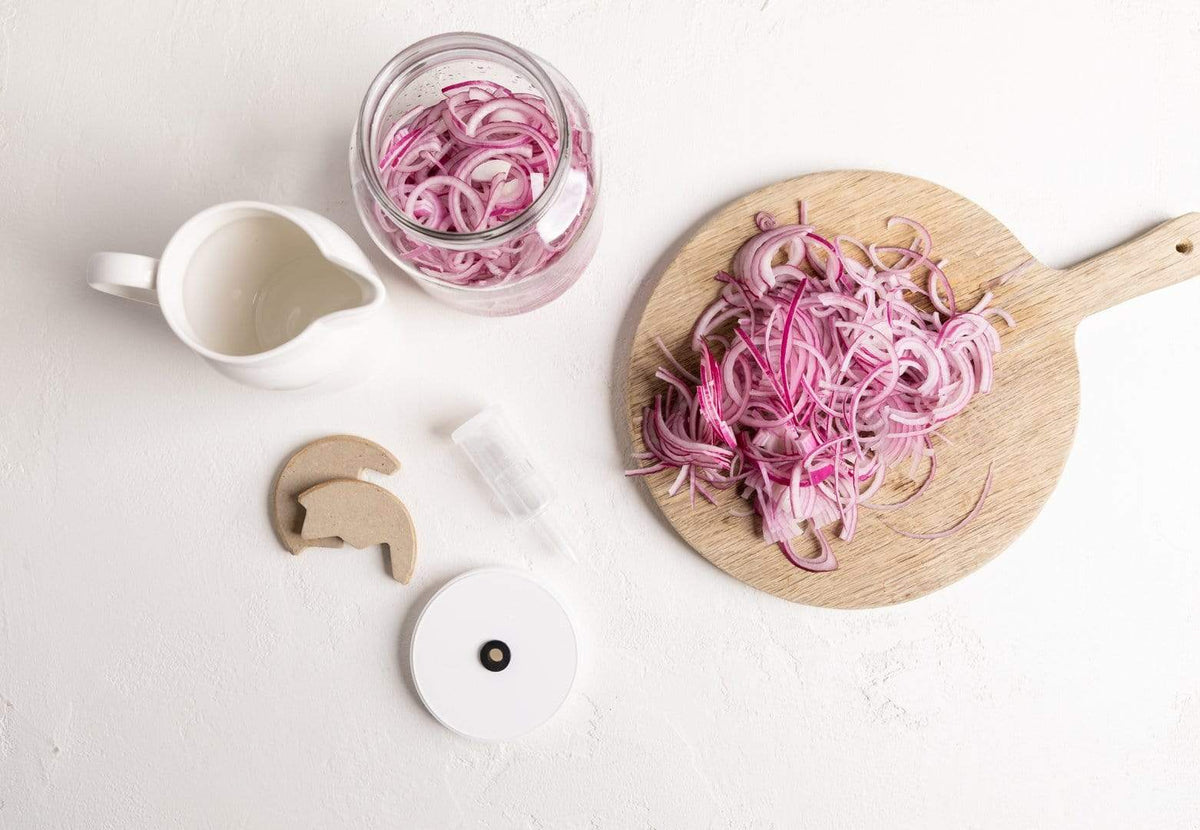
While fermenting vegetables does not require a lot of specialized equipment, using the appropriate equipment can make all the difference when getting started. From a good chopping knife to the right fermentation vessel, you'll want to pick equipment to fit your needs. When choosing your fermentation equipment and supplies, consider your options carefully. Some of our favorites are the Masontops fermentation supplies, which conveniently pair with regular-mouth and wide-mouth mason jars. They are available on their own or as part of Cultures for Health's DIY Fermented Vegetable Kits.

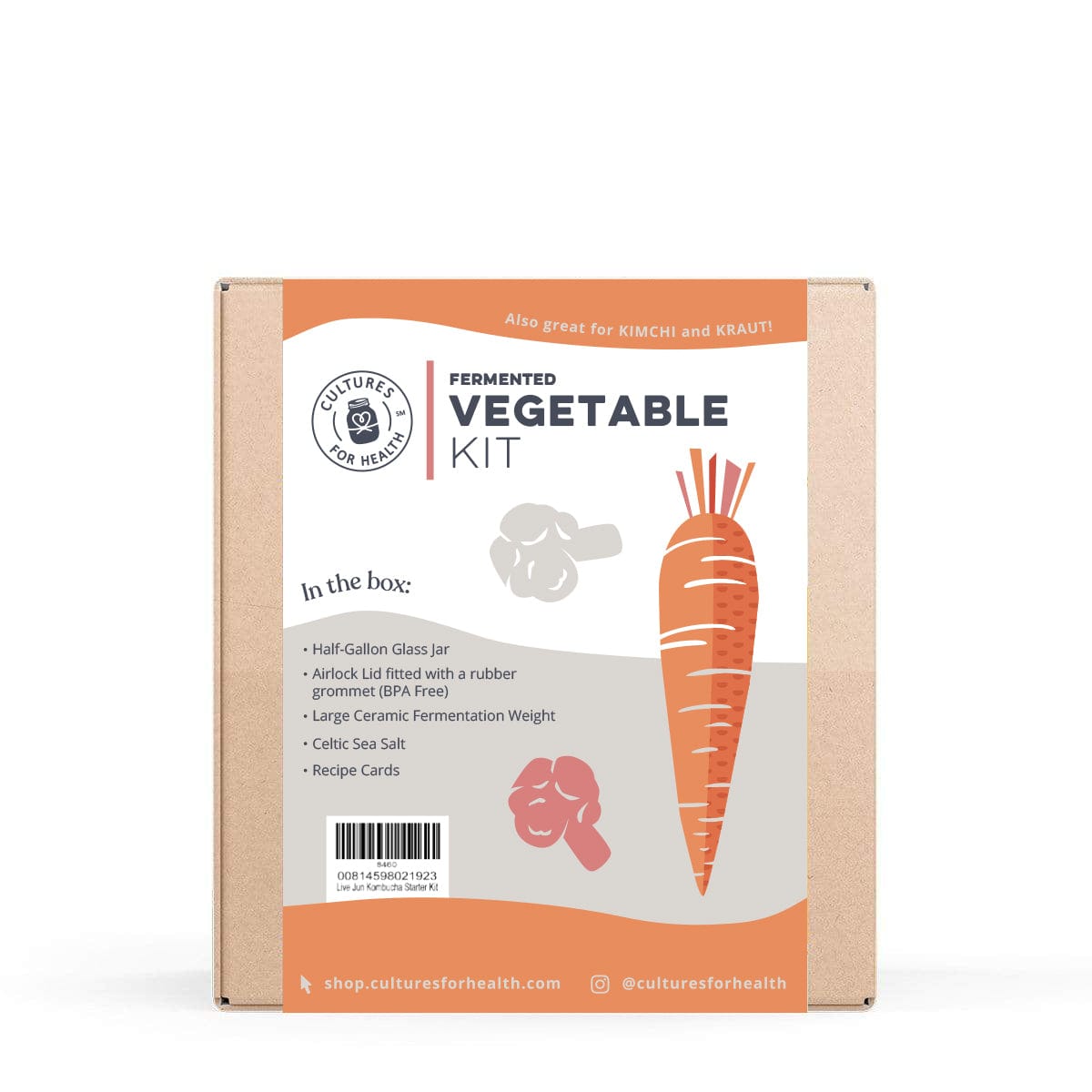

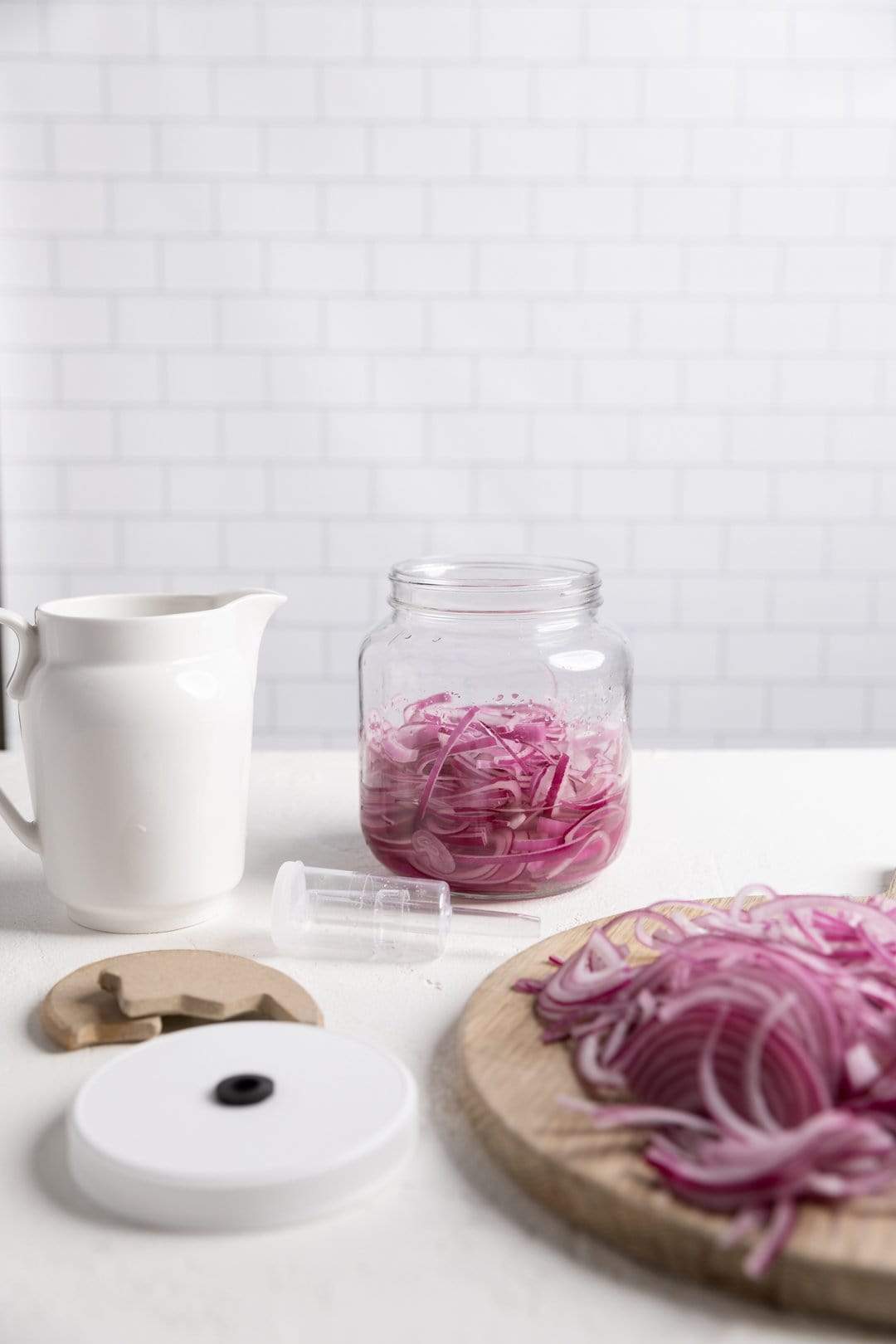
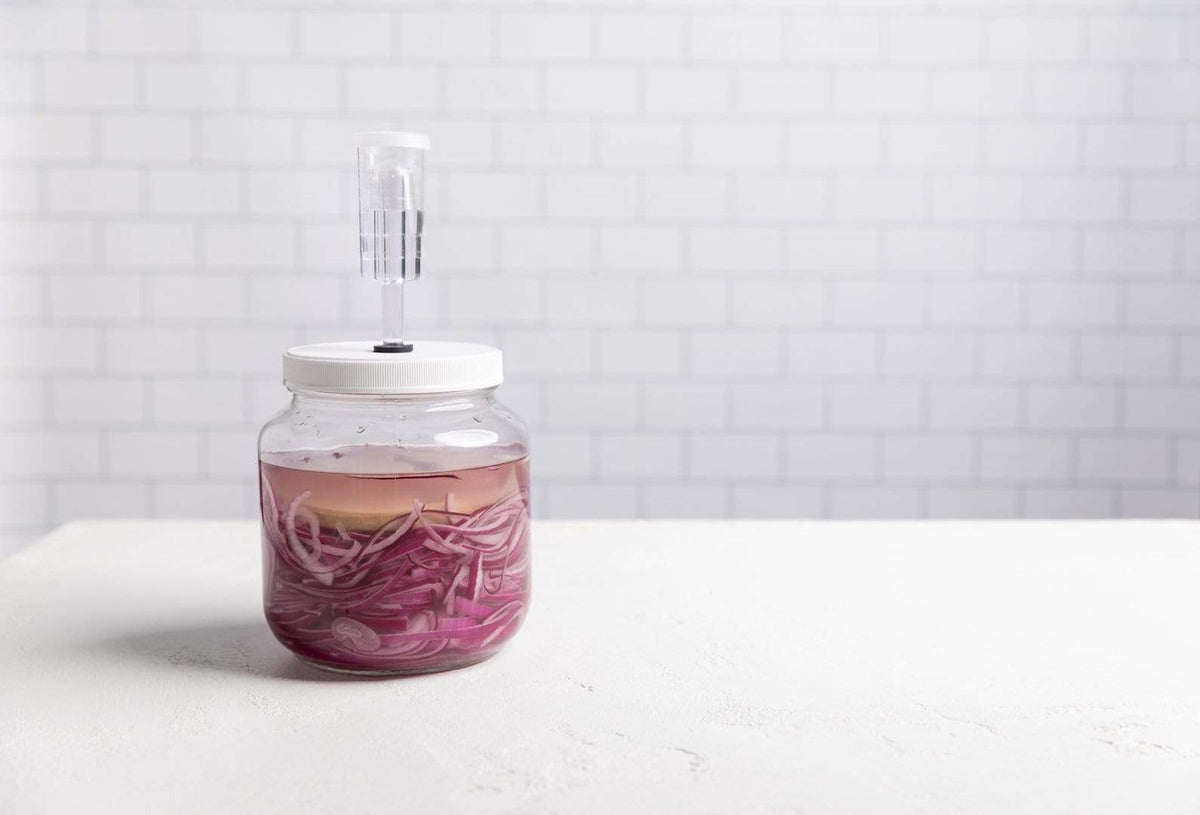


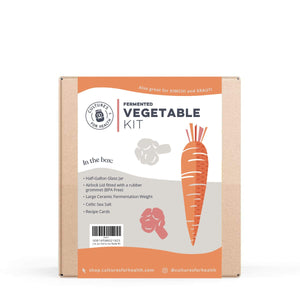
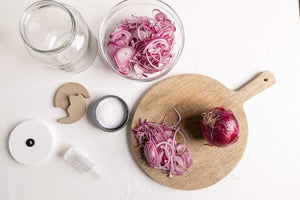
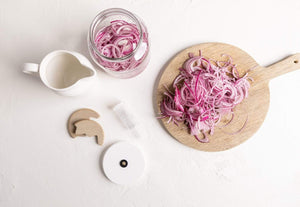
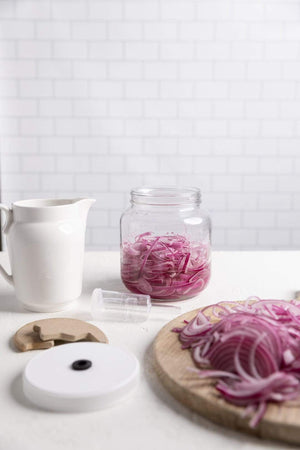
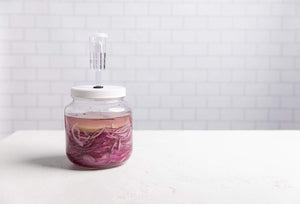
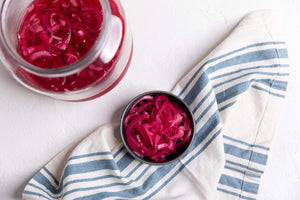
Fermented Vegetable Kit
2. PREPARING THE FERMENTED VEGGIES
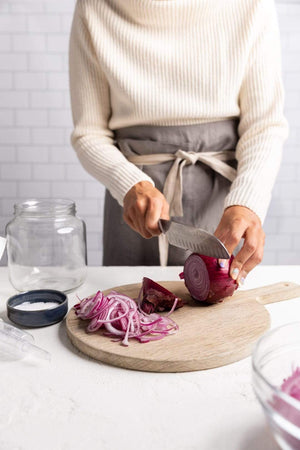
There are several ways to prepare the vegetables for fermenting: grating, shredding, chopping, slicing, or leaving whole. How you choose to prepare your vegetables is a personal choice, though some vegetables are better suited for leaving whole, while others ferment better when shredded or grated.
3. SELECTING SALT, WHEY, OR A STARTER CULTURE FOR FERMENTING VEGETABLES
A fermented food recipe may call specifically for salt, salt, and drain whey, or a starter culture. The method chosen can vary, depending on personal taste, special dietary requirements, and even the vegetables used.
Remember, salt plays a significant role in fermentation. It inhibits the growth of harmful bacteria, ensuring only beneficial bacteria can thrive. This makes your fermented veggies not only safe to eat but also probiotically rich.
4. USING WATER TO PREPARE THE BRINE IN FERMENTING VEGETABLES
Water used for preparing brine or starter culture should be as free from contaminants as possible, for the best-tasting fermented vegetables. Consider the points in this article before choosing your water source for culturing.
5. KEEPING THE FERMENTING VEGETABLES UNDER THE BRINE
Once the vegetables have been prepared and placed in the chosen fermentation vessel, weigh the vegetables down under the brine, keeping them in an anaerobic environment during the fermentation period.
6. MOVE THE FERMENTED VEGETABLES TO COLD STORAGE
Once the vegetables are finished culturing, it’s time to move them to cold storage. When new to fermenting, it may be difficult to know exactly when to consider the vegetables finished. Follow these tips for deciding when vegetables are ready for cold storage, to enjoy the finished vegetables for as long as possible.
TROUBLESHOOTING FERMENTED VEGGIES
Lots of vegetables make great fermented treats, but some are better suited to the fermentation process than others. Check out our fermenting recipes for some specific ideas. But in general, these vegetables tent to turn out the best during the fermenting process:
- Cabbage
- Green Beans
- Carrots
- Tomatoes
- Hot Peppers
- Garlic
- Onions
- Beets
- Cauliflower
But don't limit yourself to this list! Almost all vegetables can be fermented. Just do a little experimentation and see what new discoveries you can turn up!
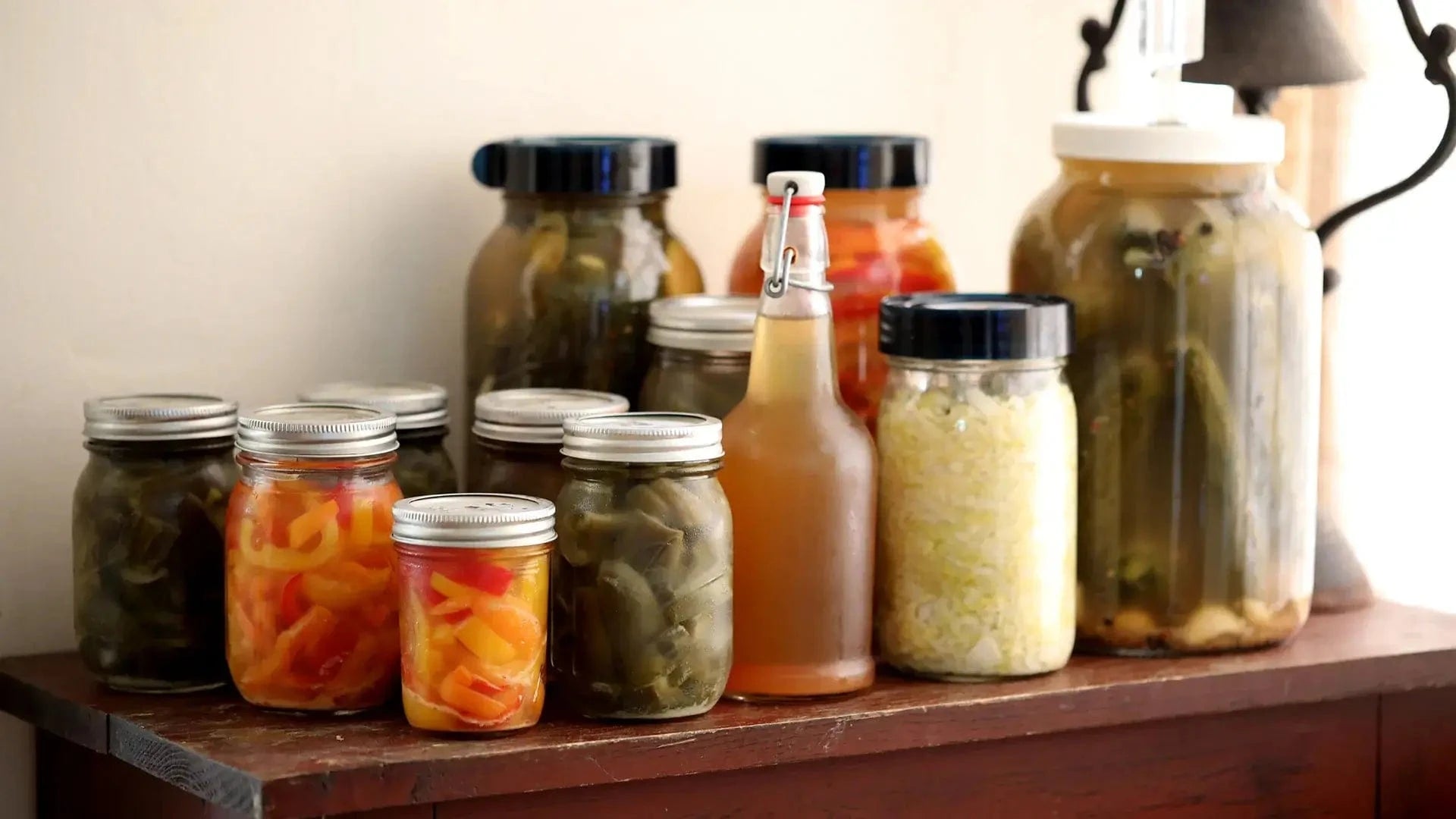
TROUBLESHOOTING FERMENTED VEGETABLES
As with any culturing process, each batch of fermented vegetables can turn out differently. If the vegetables grow mold or yeast on top, use this guide to decide what to do about mold and how to prevent it in future batches.
In case of off-smells or a slimy texture, discard the batch and start anew. It's crucial to ensure the safety and quality of your fermented food.
SEE ALSO: Fermented Vegetables Terminology from A to Z
Want to start preserving vegetables at home? Download Our Lacto-Fermentation Guide and Recipe Book Today!

FERMENTED FOOD RECIPES FOR YOUR KITCHEN
Ready to get started culturing? Cultures for Health is here to help.
We have everything you need to start fermenting vegetables at home now in our amazing all-in-one Fermented Vegetable Kits! This kit has everything you need to ferment your vegetables.
- Half-Gallon Fermentation Jar
- Airlock Lid fitted with rubber grommets
- Ceramic Fermentation Weights
- Celtic Sea Salt
- Recipe cards
Click here to download our full lacto-fermentation guide and recipe book, filled with tips, tricks in fermenting vegetables and recipes to make your fermentation to the highest level.
Just supply the veggies and we'll supply the Fermented Vegetable Kits.
Click here to check out our amazing Fermented Vegetable Kit now and our available fermentation supplies.
Try out one of the following easy Lacto-fermented vegetable recipes:
We also encourage you to browse our complete list of lacto-fermented vegetable recipes!