A. Sprouted flour is made from sprouted grain--grain berries (kernels) which are allowed to sprout for two days; are dried at a low temperature to preserve the vitamins, minerals and enzymes; and then ground into flour.
Q. How is sprouted grain more beneficial than non-sprouted?
Increases vitamin content including:
Increased Vitamin C (sprouting produces vitamin C)
Increased Vitamin B (B2. B5 and B6); sprouted wheat contains three times the niacin and two times the B6 and Folate as unsprouted wheat.
Increased Carotene (eight times the amount of non-sprouted flour)
Makes grains easier to digest by breaking down amino acid protein bonds.
Converts the carbohydrates to vegetables sugars instead of starches; starches are generally more difficult to digest.
Q. I already soak my flour, how is sprouted flour better?
A. Sprouted flour has two main advantages over soaking non-sprouted flour:
Higher nutritional content such as increased bio-availability of vitamins, minerals and enzymes (see above)
Easier to use in recipes such as quick breads where soaking flour is less convenient or desirable. Click here for more information on the benefits of using sprouted wheat flour instead of soaking non-sprouted flour.
Q. Does sprouted grain contain gluten?
A. Yes, some sprouted grains do contain gluten. Sprouting does not eliminate the gluten contained in the grain. For example, spelt has less gluten than wheat but ultimately wheat, spelt and rye all contain gluten. We do carry several gluten-free sprouted grains including barley, millet, corn and brown rice.
Q. How is sprouted flour made?
A. Grain kernels (aka berries) from an organic farm in Minnesota are allowed to sprout for two days, dried at low temperatures for two days to preserve the vitamins, minerals and enzymes and then ground into flour. Sprouted flour is milled to order so it is as fresh as possible.
Q. Where does the sprouted grain and flour come from?
A. The sprouted grains and flours carried by CFH are manufactured by To Your Health Sprouted Flour Company in Alabama. The grain used in the manufacturing process is sourced from an organic farm in Minnesota.
Q. How long will sprouted flour keep?
A. Sprouted flour is milled fresh to order and will keep:
3-4 months in the pantry
6-8 months in the refrigerator
Up to 14 months in the freezer
If ordering larger quantities of flour (more economical for shipping), we suggest storing the flour in the refrigerator or freezer whenever possible.
Q. Can I sprout grains myself?
A. Yes, while labor intensive, it is possible to sprout grain at home. The basic process involves soaking the grain berries (kernels), rinsing them several times a day for several days until they sprout, drying them at low temperatures and then grinding them into flour. Click here for instructions on making sprouted grain flour. We also recommend consulting Nourishing Traditions by Sally Fallon. Purchasing sprouted flour is significantly more convenient than sprouting your own grains and grinding them into flour.
Q. How do I use sprouted flour?
A. Sprouted flour can be used to directly replace all-purpose and whole grain flour in recipes (use the same amount of sprouted flour as you would other flours). A couple of caveats:
If using sprouted flour to thicken gravy or other sauces, use twice as much flour as you would normally use.
If you are making a yeasted bread using commercial yeast (not sourdough), you may need to add 4 tablespoons of vital gluten for every four cups of sprouted wheat flour as some of the gluten will be broken down during the sprouting process.
If you normally follow the Nourishing Traditions (Traditional Foods) style of soaking your flour prior to baking, you will not need to soak sprouted flour as the sprouting process neutralizes the phytic acid.
Q. Can I use sprouted flour to make sourdough bread?
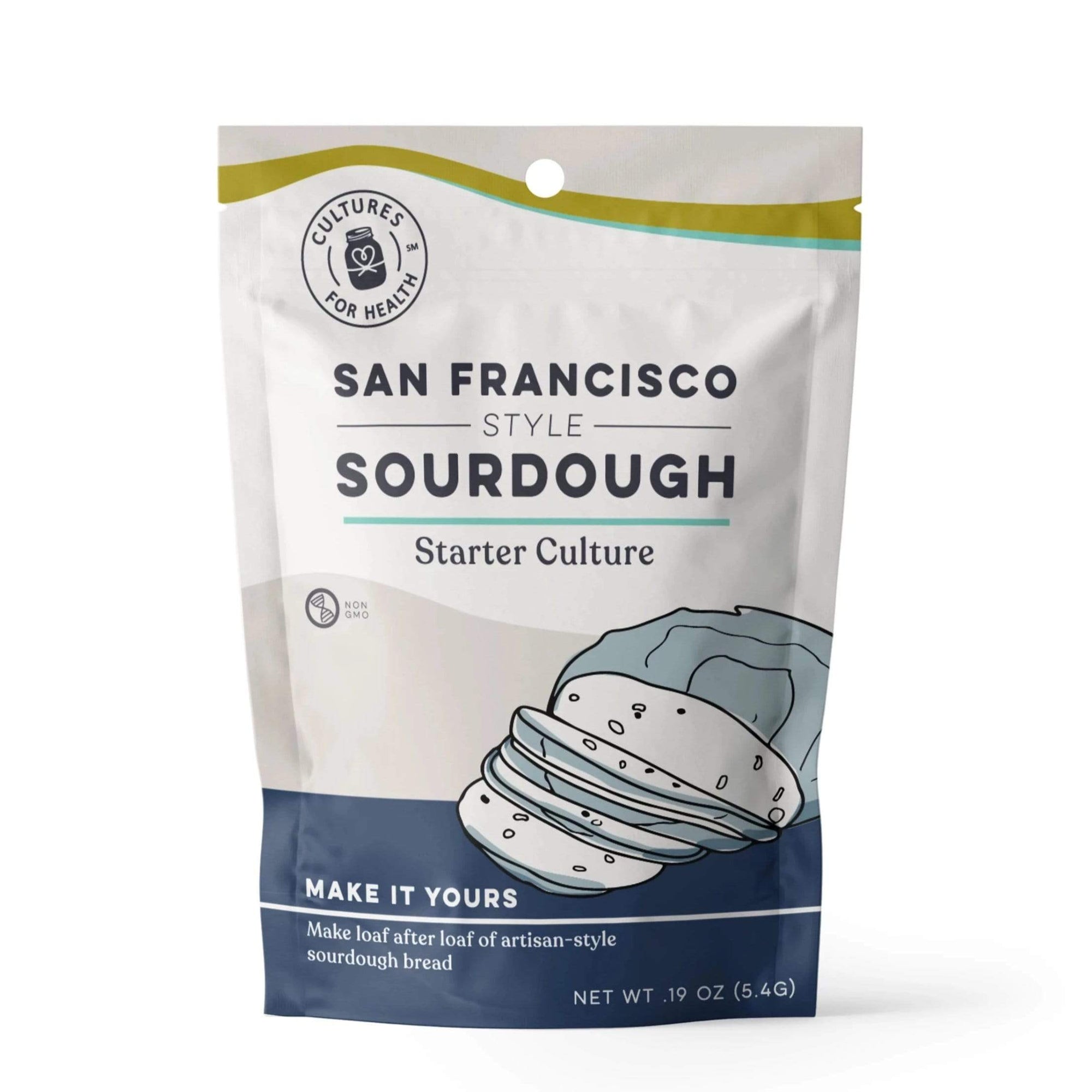
A. Yes! Sprouted flour is a wonderful way to maximize the nutritional benefits of sourdough. Both using sourdough and using sprouted flour are effective in reducing or eliminating phytic acid. Sprouted grain makes for a wonderful sourdough bread and can be used in the same proportions as non-sprouted flour. Sprouted flour makes for a flavorful, rustic sourdough bread.
Q. How is “flourless” bread made from sprouted grain different from using sprouted flour to make bread?
A. Flourless bread is made using sprouted grain which has been ground into a paste and used to make dough. Flourless breads are generally more sweet and require less salt because some of the starches in the grain are converted to sugar during the sprouting process. Alternatively, sprouted flour is made by drying sprouted grain and then grinding it into flour. Sprouted flour can be used interchangeably in recipes calling for regular flour.
Q. How is sprouted flour shipped?
A. Sprouted flour is shipped directly from the manufacturer and will arrive separately from your other items. Sprouted flour is generally shipped via USPS but very large orders (50 lbs.) may be shipped via UPS Ground. The method of shipping is ultimately at the discretion of the manufacturer. Please note, expedited shipping is not available for sprouted flour.
Q. Where can I find recipes for using sprouted flour?
A. A number of recipes will come with your order of sprouted flour. In addition, a few recipes using sprouted flour: